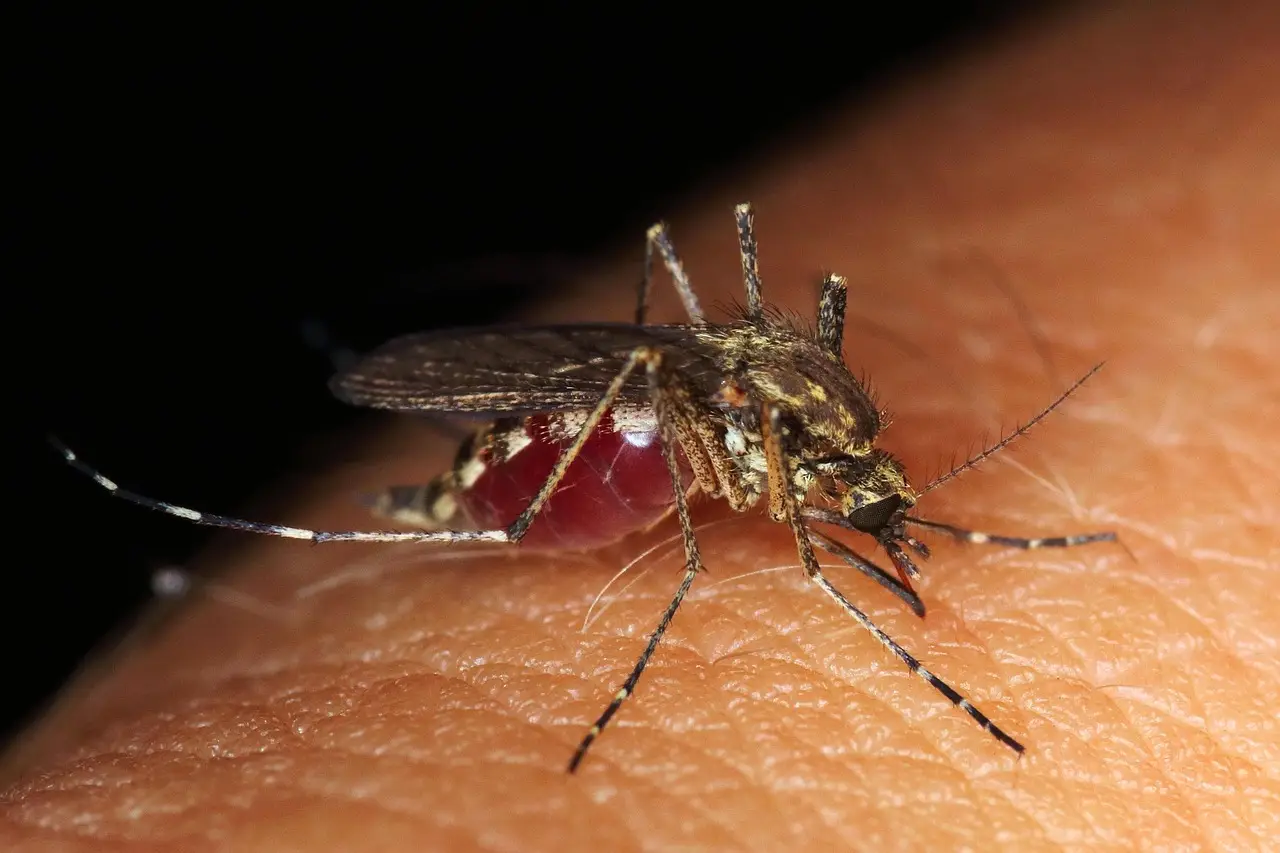
Skin Commensal Bacillus Reprograms Volatiles to Repel Mosquitoes
A Nature study identifies skin commensal Bacillus species that reprogram volatile skin metabolites, making human hosts less attractive to mosquitoes.
Topic
Topic
A Nature study identifies skin commensal Bacillus species that reprogram volatile skin metabolites, making human hosts less attractive to mosquitoes.
HIPS and Beiersdorf AG have launched a microbiome research partnership announced by HZI; terms, indications and timelines remain…
Wiley-indexed paper links enlarged facial pores in young Chinese women to two measurable skin changes — barrier impairment and mi…
A Frontiers study shows a skin isolate of Micrococcus luteus blocks S. aureus-induced type 2 cytokine release from keratinocytes…
A Frontiers study profiles microbial communities in melasma skin and finds dysbiosis, reframing the pigmentary disorder as potent…
Microbial shifts on infant skin may predict eczema and food allergy before symptoms appear, pointing toward pre-symptomatic risk…
A University of Wisconsin-Madison genomics seminar opened the academic year with a session on the human skin microbiome, the camp…
Dermatology Times examines prebiotics, probiotics and postbiotics in skincare, as patient interest pushes microbiome claims from…
Microbiome science is moving from buzzword to beauty R&D backbone, per NutraIngredients — reshaping how skin and gut research dri…
Sequential raised ¥5.5 billion (~$36M) led by Corundum Systems Biology to scale skin microbiome analysis. No valuation, use of fu…