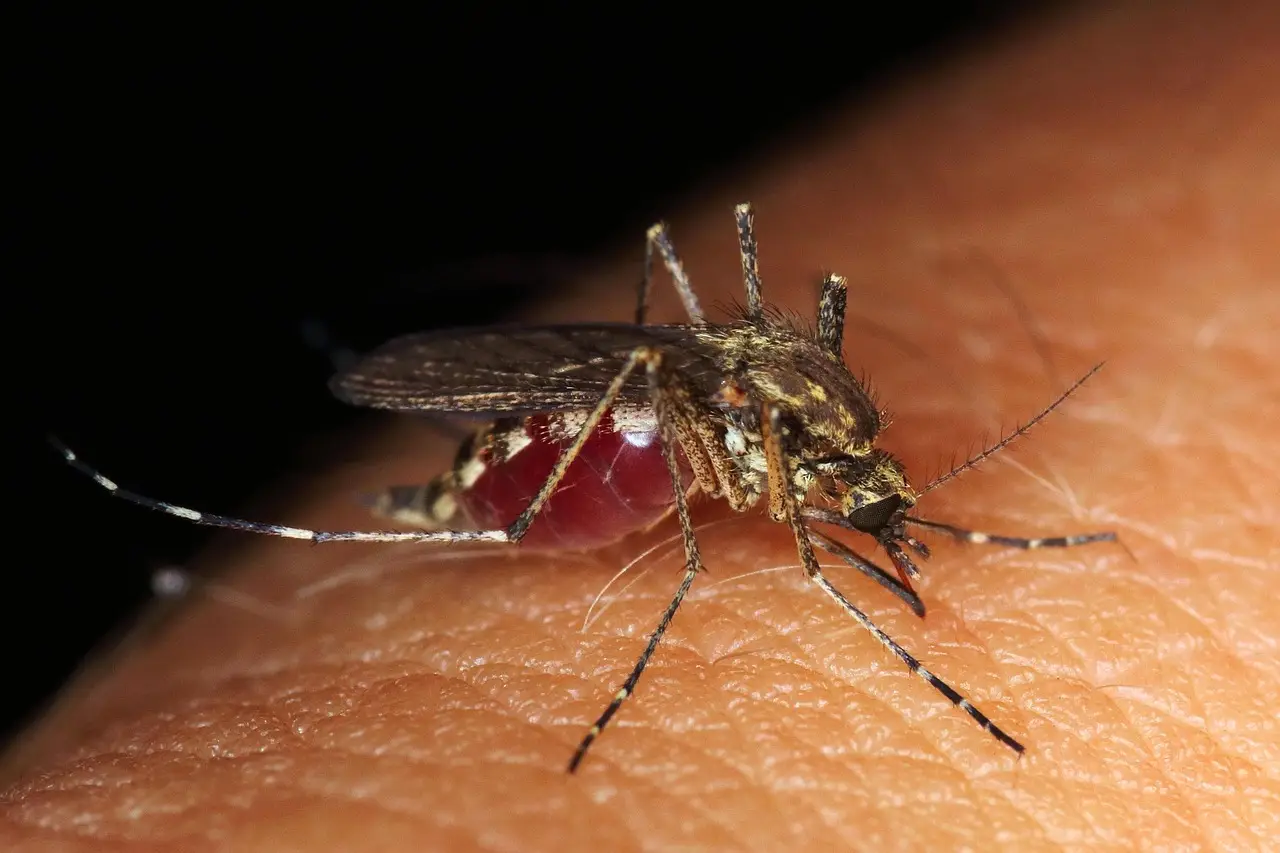
Skin Commensal Bacillus Reprograms Volatiles to Repel Mosquitoes
A Nature study identifies skin commensal Bacillus species that reprogram volatile skin metabolites, making human hosts less attractive to mosquitoes.
Section
Peer-reviewed findings in skin biology, immunology and wound repair.
A Nature study identifies skin commensal Bacillus species that reprogram volatile skin metabolites, making human hosts less attractive to mosquitoes.
New research attention is asking whether skin changes — visible, measurable and accessible — could serve as early markers of biol…
Scientists report male and female skin follow different biological rules, a finding with implications for trial design, treatment…
A JAAD study published online October 17, 2026 tests sequential 1550-nm fractional focal point technology plus pulsed dye laser f…
An oridonin ointment reduced psoriasis-like inflammation in mice, adding a botanical topical candidate to the preclinical psorias…
A Journal of Investigative Dermatology paper posted 16 October 2026 finds EGFR activity controls fibrotic responses in RDEB in a…
New research reframes light as an active regulator of skin biology, not just a source of sunburn damage — a shift with implicatio…
A new analysis finds the global burden of acne rose across 1990–2023, confirming the condition's growing weight on dermatology ca…
A Journal of Investigative Dermatology study published October 15, 2026, identifies endothelial AHR-APLNR signaling as a protecto…
HIPS and Beiersdorf AG have launched a microbiome research partnership announced by HZI; terms, indications and timelines remain…