Skin Commensal Bacillus Reprograms Volatiles to Repel Mosquitoes
Updated
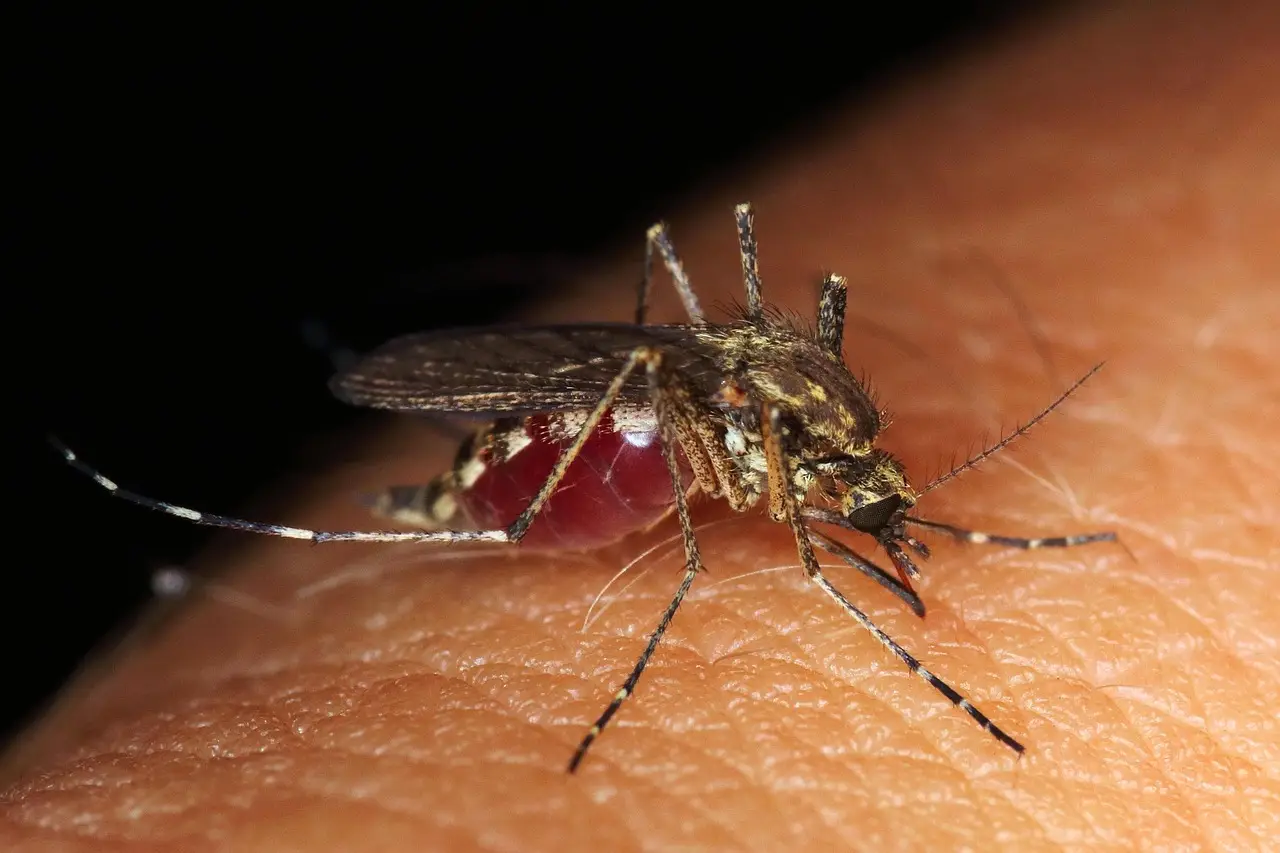
Skin-dwelling Bacillus species can make their human host less attractive to mosquitoes by reprogramming the volatile metabolites the skin emits, according to a study published in Nature. The finding reframes mosquito attraction as, in part, a microbiological property of the skin rather than a fixed chemical signature of the individual.
The research addresses a long-observed puzzle: mosquitoes do not bite people at random. Some individuals are consistently more attractive to mosquitoes than others, and the composition of the skin microbiome (the community of bacteria living on the skin surface) has long been a candidate explanation. This study names a genus and proposes a mechanism.
What did the researchers find?
The authors identified commensal Bacillus species on human skin as mediators of mosquito repellency. These bacteria alter the profile of volatile metabolites — small airborne compounds the skin releases — that mosquitoes use to locate hosts. In effect, the presence of Bacillus shifts the skin's odor signature toward one that mosquitoes avoid.
The mechanism is metabolic, not immunological. The bacteria change what the skin emits rather than how the skin responds. That distinction matters for translation: a metabolic pathway is, at least in principle, more tractable to manipulation than a systemic host trait.
Why does this matter for dermatology?
For dermatologists, the study is a reminder that the skin microbiome functions as an active biochemical organ, not a passive passenger population. Microbial volatility has already been implicated in conditions such as erythrasma and bromhidrosis, where bacterial metabolites produce characteristic odor. This work extends the same logic to vector behavior — an entirely external consequence of commensal metabolism.
The clinical stakes are not cosmetic. Mosquitoes transmit malaria, dengue, yellow fever and Zika virus, and individual attractiveness to mosquitoes influences exposure risk. A repellency mechanism rooted in commensal bacteria suggests a possible route to intervention that does not rely on topical DEET or permethrin, whose efficacy depends on frequent reapplication and user adherence.
How strong is the evidence?
The publication venue carries weight. Nature applies rigorous peer review, and the study's central claim — that a specific bacterial genus mediates repellency through volatile metabolite reprogramming — required the authors to link bacterial identity, metabolite output and mosquito behavioral response in a causal chain.
What the study has not yet demonstrated, at least in what is visible from the publication record, is durability in humans. A commensal effect observed under controlled conditions may not persist on living skin, where the microbiome is dynamic and shaped by hygiene, humidity, sebum and antimicrobial use. Whether Bacillus-derived repellency can be induced, sustained or safely engineered on real skin remains an open question.
There is also the question of ecological cost. Deliberately shifting a skin microbiome toward one bacterial genus carries unknown consequences for microbial balance and skin health, including potential effects on pathogens such as Staphylococcus aureus in atopic dermatitis. Any intervention built on this mechanism would need to clear that bar.
What comes next?
The most plausible near-term applications are probiotic or postbiotic formulations designed to seed the skin with repellent-producing Bacillus strains, or topical agents that mimic their volatile output. Each path would require controlled human trials measuring mosquito landing rates — the practical endpoint — before any claim of protection could be made.
The study also opens a research direction for dermatology itself: if commensal metabolism can alter how insects perceive human skin, the same volatility likely shapes other skin-surface interactions. The next studies to watch will test whether the Bacillus effect holds outside the laboratory, and whether it can be converted into measured reductions in mosquito bites.
Source: Google News: Skin microbiome
Amara Osei
Show full bio
Correspondent covering technology and product news in Clinical dermatology, inflammatory skin disease and biologics at Derm Field.