Two-Dose Neoadjuvant Pembrolizumab Yields 55.6% pCR in Resectable cSCC
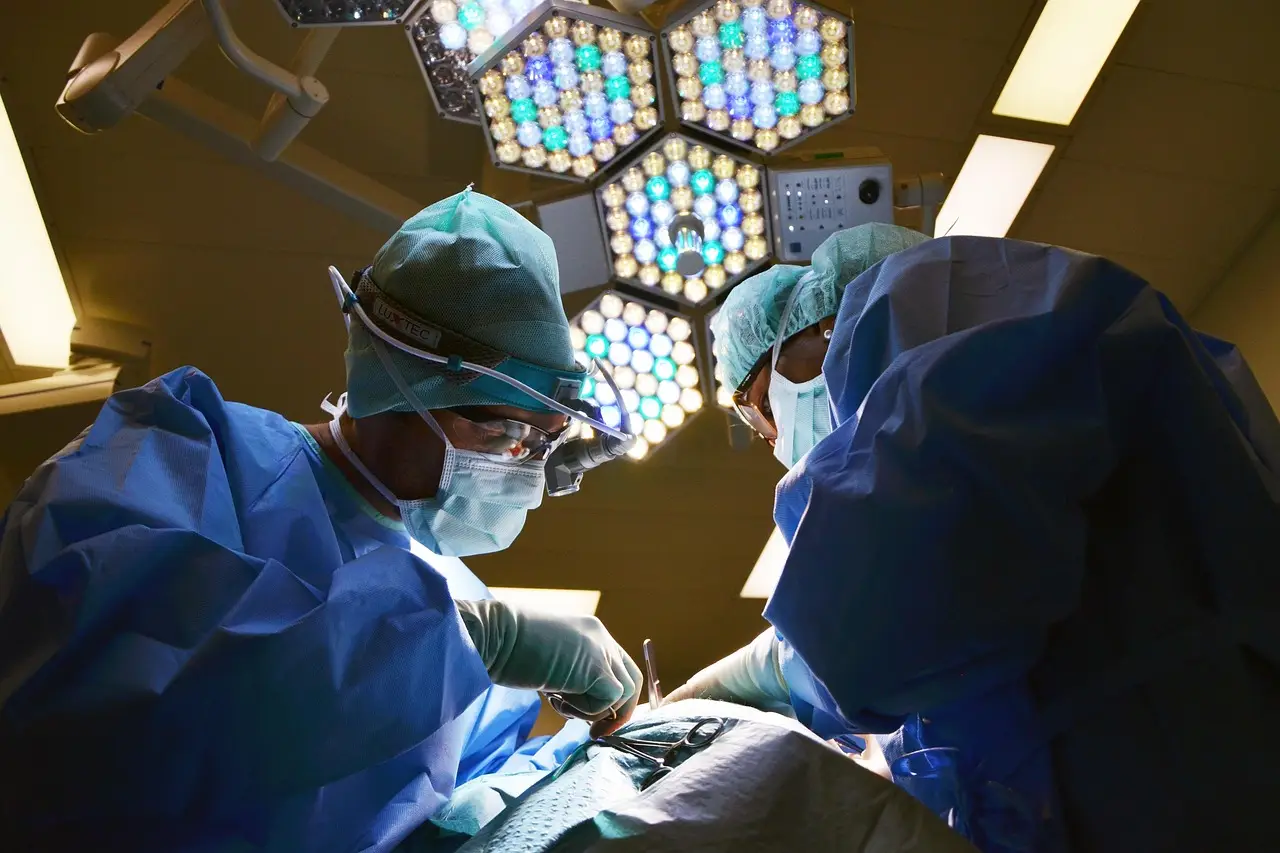
Two doses of pembrolizumab before surgery produced a 55.6% pathologic complete response (pCR) rate in patients with AJCC stage II–III locally advanced cutaneous squamous cell carcinoma (cSCC), according to a prospective phase 2 trial from UPMC Hillman Cancer Center reported by senior author Diwakar Davar.
The cohort was notable for its age: median 79, older Caucasian patients. Radiotherapy was de-escalated in 93% of patients who achieved pCR — a direct test of whether pathology after short-course PD-1 blockade can spare this population from combined-modality treatment.
Davar, Co-Leader of the Cancer Immunology and Immunotherapy (CII) Program at UPMC Hillman, laid out the results on LinkedIn and framed them within a fast-moving neoadjuvant cSCC literature.
What did earlier trials show?
Neil Gross and colleagues showed that 2–4 doses of neoadjuvant cemiplimab produce pCR rates near 50%. Charlotte Zuur, Vasu Divi and Paolo Ascierto buttressed that signal with independent work. Rahul Ladwa went further: using PET plus mapping biopsies to dynamically guide treatment, 48% of patients who received 4 cycles of pembrolizumab avoided both surgery and radiotherapy.
Davar cautioned that these trials used different drugs, doses and endpoints, so their numbers can't be compared head to head. Together, though, they make the same point: in cSCC, when you give PD-1 blockade matters, and so does how you measure the result.
Why DFS instead of RFS?
The trial's endpoint argument may prove as consequential as its response rate. Relapse-free survival (RFS) counts death from any cause as an event. In patients near 80, many of those deaths have nothing to do with cancer — two patients in this trial died of COVID-19 before surgery.
Using competing-risks methods and disease-specific endpoints, the investigators showed disease-free survival (DFS) was improved in pCR patients. Davar described the approach as separating "the cancer came back" from "the patient died of something else." Whether disease-specific endpoints should become the standard in cSCC is now an open question for the field.
What drives response at the tissue level?
The trial also delivered a biology of response. Lymphoid aggregates comprising dendritic cells and B cells that sustained TCF1+ CD8+ T cells — identified using the Lunaphore COMET spatial profiling platform — drove response.
Transcriptional and computational image analyses validated this signal in independent cohorts of cemiplimab-treated cSCC and in TCGA squamous cancers. That cross-validation across datasets and tumor types gives the biomarker finding weight beyond a single-institution signal.
What are the open questions?
Davar listed the de-escalation and combination questions now facing the field:
- Two doses of PD-1 blockade, or four?
- Pathology as the decision point, or PET plus biopsy?
- Should disease-specific endpoints become the standard in this disease?
- Can rational combinations targeting the immunosuppressive myeloid tumor microenvironment further increase pCR in cSCC?
He closed with a direct question to the clinicians who would have to act on the data: "I'd value the views of surgeons, radiation oncologists, dermatopathologists, medical oncologists and biostatisticians. What would it take for you to omit RT after pCR."
The full paper — "Perioperative pembrolizumab in locally advanced cutaneous squamous cell carcinoma: A prospective phase 2 clinical trial" — carries a broad author list led by Hugh Galloway, with co-senior investigators including Hassane Zarour, John M. Kirkwood and Yana G. Najjar, alongside multidisciplinary surgical, pathology and computational collaborators.
With a 55.6% pCR rate from just two doses, near-universal radiotherapy de-escalation in responders, a validated spatial-biology correlate and a competing-risks endpoint case, the trial sets up the next round of cSCC studies: shorter regimens, sharper response assessment, and combinations aimed at the myeloid compartment.
Source: oncodaily.com
Tom Whitfield
Show full bio
Senior reporter covering companies, deals and strategy in Clinical dermatology, inflammatory skin disease and biologics at Derm Field.