Stage IV Melanoma at 50: Nine Months to Live, Six Years On
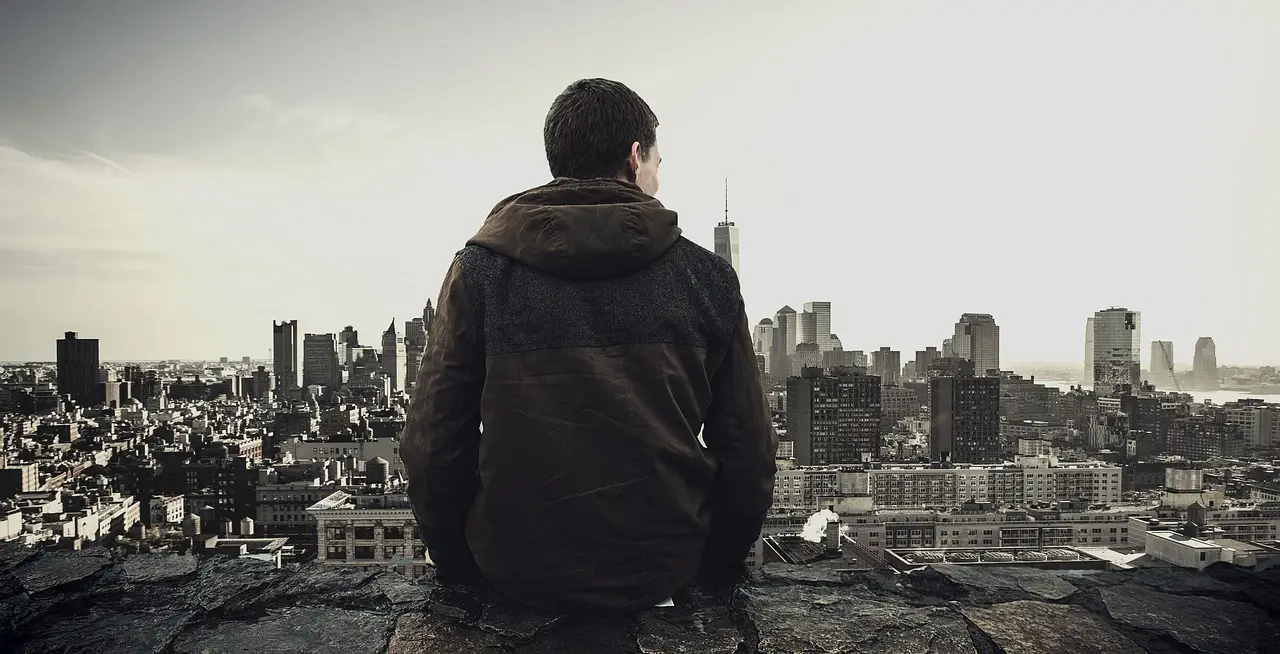
At 10:40 on December 13, 2019, Kevin Donaghy walked into the Edinburgh Cancer Centre alone and learned he had stage IV metastatic melanoma — an incurable, life-limiting disease with tumours on his right lung and beside his spine. Six years later, he is alive, with no evidence of disease for nearly four years.
If immunotherapy failed, clinicians told him, his life expectancy could be around nine months. Donaghy recounted the diagnosis in an interview with Carmen Monge for OncoDaily's Experts by Experience series.
The news arrived eighteen months after what he believed was a complete cure.
How did the first diagnosis unfold?
Donaghy's initial melanoma was found in 2018, after a blemish on his left forearm changed and prompted a dermatology referral and biopsy. The result was stage II melanoma (a tumour confined to the skin with limited thickness). Surgeons removed the melanoma, surrounding tissue and a sentinel lymph node to check for spread.
Weeks later, walking along Princes Street in Edinburgh, he received the follow-up call.
"I collapsed onto my knees in the middle of the busy street in Edinburgh and started crying because the relief was immense. I was cancer-free, everything had been treated on the NHS in Scotland, and I could carry on with life."
That certainty shaped his next decisions. When back pain began during a business trip to Manchester, followed by X-rays and a CT request, recurrence was not the explanation he expected. He attended the oncology appointment alone, declining offers from his wife and a friend to accompany him.
He now calls that choice "the worst decision of my life."
What did stage IV mean in practice?
Donaghy was 50; his children were 16 and 18. His diagnosis came less than two weeks before Christmas, and the couple waited until December 26 to tell them.
"We wanted potentially our last Christmas to be as memorable as possible."
A bucket list for 2020 became urgent — travel, friends, family time between treatments. Six weeks after immunotherapy began, the first COVID-19 lockdown removed those plans. Life narrowed to home, family and hospital visits.
"There was a huge, huge fear of missing out that the whole world was going through, FOMO, at that point in time because nobody could go out. But, you know, our potential timeline was very short."
The isolation deepened despite physical response to treatment. He could read about pembrolizumab (a checkpoint-inhibitor immunotherapy), but he knew nobody with melanoma, nobody on immunotherapy, nobody at stage IV. During lockdown he found a UK virtual melanoma support group.
"I joined that group, and immediately I felt as if I'd found my tribe. I found people who just understood."
From stories to 11,000 books
The experience produced a project: a physical book of cancer stories, given away free. Donaghy targeted at least 1,000 copies for individuals, charities and treatment centres. An IT customer, Ricky Nicol, whose story he recorded first, called the next day and offered to finance it. A designer friend, family editors and his daughter Katherine, then an illustration student, built the book.
The first edition held 39 stories; the hardback now contains 42. Not all end well — some contributors have died, and their families may add to their stories at republication.
"It was very important when we were producing the book that we could not have every story that ended and everyone lived happily ever after, because that is not the reality of cancer."
At the time of the conversation, 11,000 copies were in circulation, including 8,000 donated to more than 100 cancer charities and treatment centres across the UK and Ireland.
What does hope mean now?
Donaghy repeats a phrase from a former oncology nurse whose story appears in the book: "Hope is constant." Hope changes shape, he argues — from a negative test, to cure, to more time, to a pain-free end of life for those with terminal disease.
He still carries a stage IV classification, though both tumours are no longer visible. He resists romanticising the diagnosis, while acknowledging what it brought: "I did not want cancer, but I have met so many amazing people that I would not have met without cancer. And that's been a gift."
His advice, particularly to men who struggle to share fear, is direct: "Do not try and do this on your own. Try and find those guides that can walk with you or perhaps have walked ahead of you."
Source: oncodaily.com
Amara Osei
Show full bio
Correspondent covering technology and product news in Clinical dermatology, inflammatory skin disease and biologics at Derm Field.