Moderna Melanoma Vaccine Cuts Recurrence Risk 42% in Phase 3
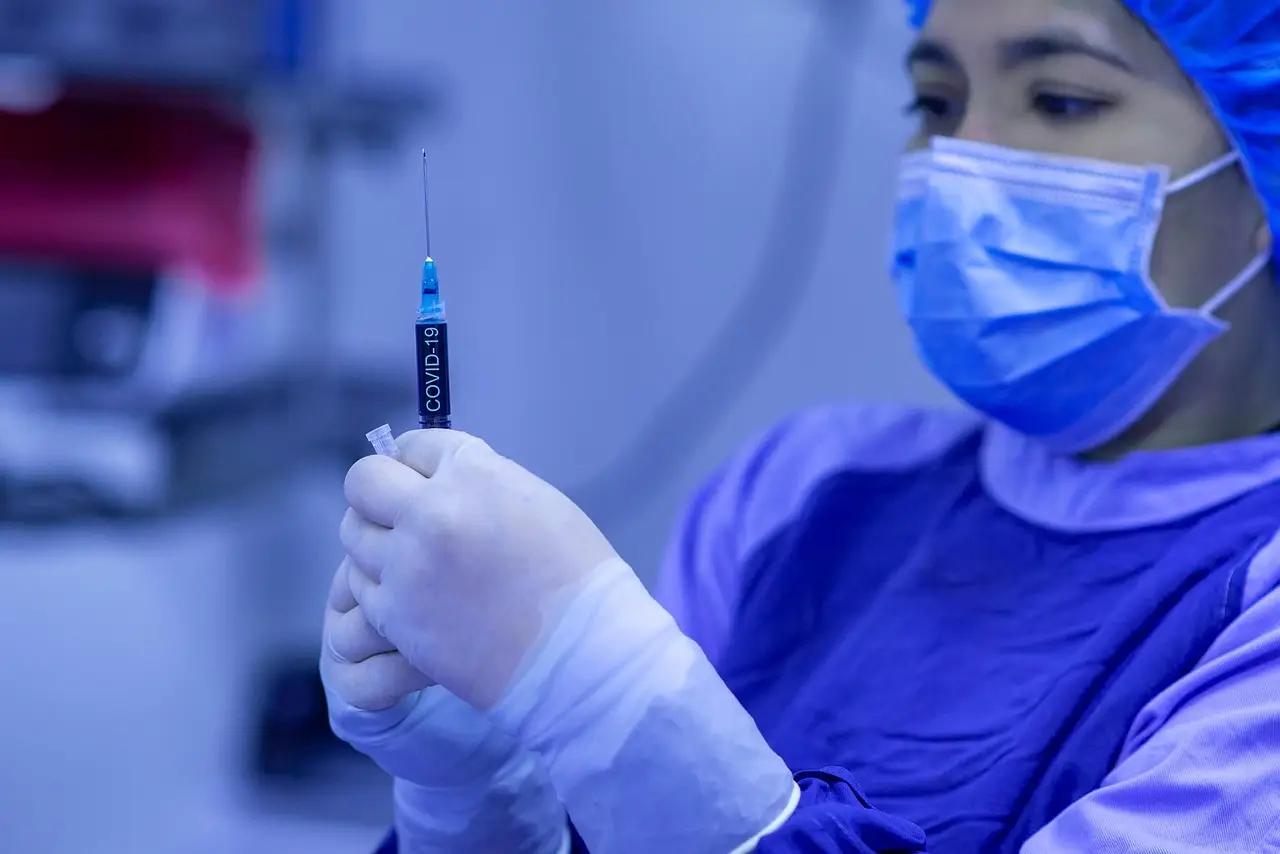
Moderna's personalised melanoma vaccine cut the risk of recurrence or death by 42% in the phase 3 INTerpath-001 trial, according to leaked data that wiped 17.3% off the company's share price in a single session.
The vaccine, intismeran autogene, is being developed with Merck and tested in combination with Keytruda (pembrolizumab). The 42% risk reduction was measured against Keytruda alone in patients with melanoma.
The number landed below investor hopes. Shares closed 17.3% lower at $202.63 on Thursday 22 October, the day the data emerged, after falling as much as 26% during the session. They lost a further 1.3% on Friday. On Monday, shares dropped by as much as 9% in pre-market trading before recovering most of those losses to close down 0.6% at $198.85.
Why did the sell-off hit so hard?
The drop followed a rally that had lifted Moderna's share price more than fivefold this year. That surge was fuelled by phase 2b results and an August announcement that the phase 3 trial had met its primary endpoint.
INTerpath-001 did meet its primary endpoint. But the full results may not have lived up to what investors had priced in.
The trial found that intismeran autogene plus Keytruda reduced the risk of recurrence or death by 42% compared with Keytruda alone. That compares with a 49% reduction in the earlier phase 2b KEYNOTE-942 study.
The two figures aren't directly comparable. Differences in trial size and follow-up between the phase 2b and phase 3 studies mean the apparent step-down in benefit needs careful reading.
The unplanned disclosure itself may also have amplified the market reaction. Investors assessed the findings ahead of their scheduled presentation, adding uncertainty to an already volatile situation.
How significant is the clinical benefit?
Despite the more modest effect size, Merck's leadership framed the results as landmark. Dean Li, President of Merck Research Laboratories, described the findings as "one of the most significant advances in melanoma treatment since the advent of immunotherapy."
For dermatologists and oncologists managing melanoma recurrence risk, a 42% reduction on top of pembrolizumab monotherapy remains a substantial margin. The comparison with KEYNOTE-942's 49% is the benchmark the market chose, not necessarily the clinically decisive one.
What happened with the ESMO data leak?
The INTerpath-001 results were due to be presented at the European Society for Medical Oncology (ESMO) Presidential Symposium in Madrid on Saturday 24 October.
A leak, first reported by STAT, changed that timeline. ESMO lifted the embargo, allowing Merck and Moderna to release the full results two days early.
ESMO has said it is investigating the breach. The society has not publicly detailed how the data reached STAT before the official presentation.
What comes next for the vaccine?
With the phase 3 results now public, Merck and Moderna plan to engage with regulatory authorities on potential submissions for the combination.
The development programme also extends well beyond melanoma:
- The INTerpath programme includes nine phase 2 and phase 3 trials of intismeran.
- These span non-small cell lung cancer, bladder cancer and renal cell carcinoma.
- One phase 3 trial is testing the vaccine in high-risk stage I non-small cell lung cancer, both alone and in combination with Keytruda.
Moderna is due to report its third-quarter financial results and provide a company update on 6 November. Investors will be looking for further insight into the company's outlook for its oncology partnership with Merck.
The near-term question for the field is how regulators weigh a 42% recurrence-risk reduction against the higher phase 2b benchmark, and whether the intismeran programme can replicate its melanoma signal across the wider INTerpath portfolio.
Source: Google News: Melanoma
Tom Whitfield
Show full bio
Senior reporter covering companies, deals and strategy in Clinical dermatology, inflammatory skin disease and biologics at Derm Field.