FricTest and Temperature Threshold Testing Move CIndU Care Out of Subjective Territory
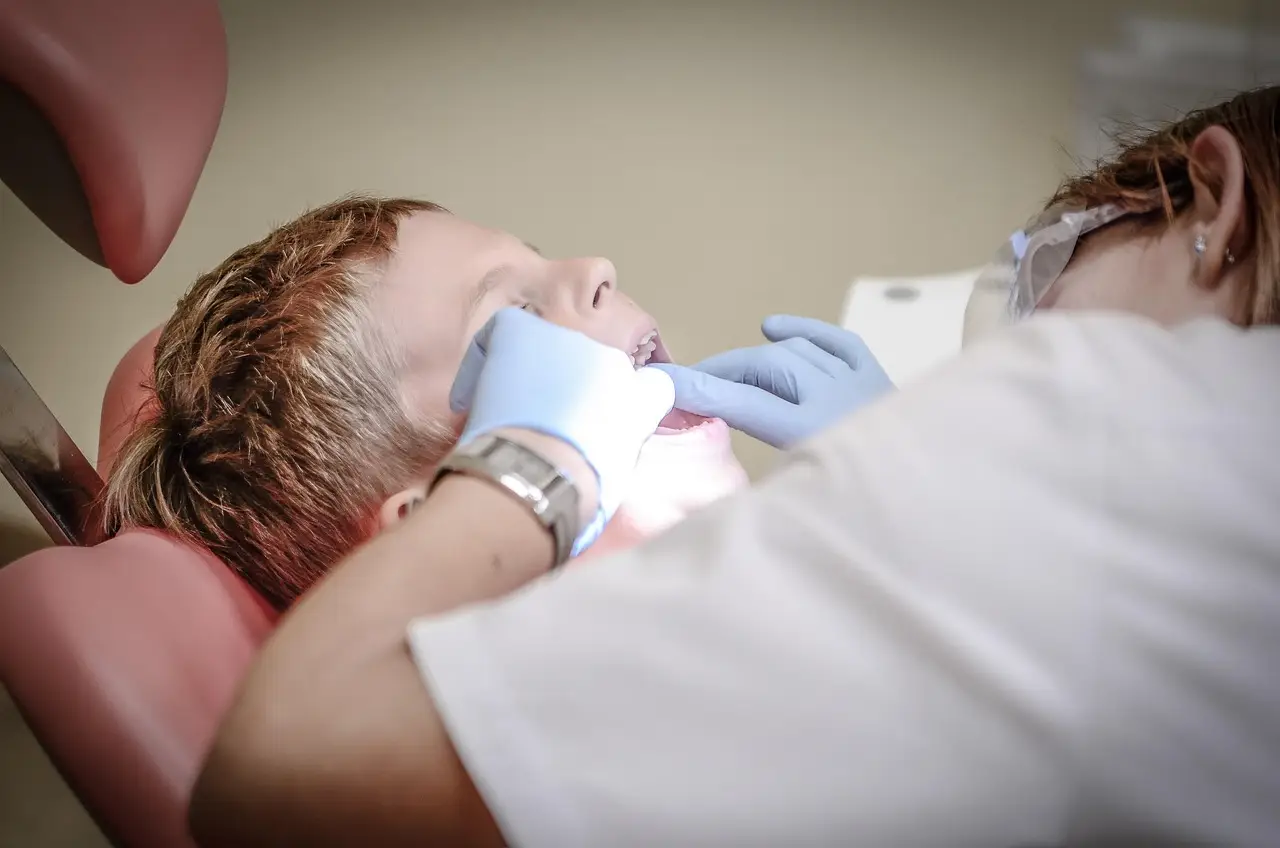
A low-cost FricTest scoring zero to four can convert subjective wheal complaints into measurable clinical data for chronic inducible urticaria (CIndU), and a five-minute temperature threshold test can tell patients whether a hot tub or a ski slope is the safer vacation call. That was the core message from a dermatology panel discussion, "Provocation Testing for CIndU: Bringing Trial Tools Into Clinical Practice," which weighed which research-grade instruments genuinely translate to a busy clinic.
Did the REMIND trial reflect real patients?
Dr. Dasilva opened the methodological questions by asking whether the REMIND inclusion and exclusion criteria matched what dermatologists actually see. Dr. Finklea's answer: mostly yes.
The study enrolled adults only, but it captured the three most common forms of CIndU. It also mirrored the typical patient mix — a male predominance and younger age in the cholinergic urticaria group, and women around age 40 in the other two subtypes.
Severity measurement held up too. The design captured disease burden on the Dermatology Life Quality Index (DLQI), and it documented disease duration: roughly six to 15 years of symptoms. As the panel noted, many patients live with the condition for most of their lives, which makes objective monitoring tools more than an academic nicety.
What does the FricTest change for practice?
Dr. Finklea called the FricTest cheap, easy, and reproducible. The scoring runs from zero to four, and the arithmetic is practical: a patient moving from four to one suggests treatment success, while a score of three tells the physician more can be done.
The objectivity matters on both sides of the exam table. Clinicians get a number to track response over time, and patients get visible evidence of change. Showing patients objective improvement, Dr. Finklea said, helps them buy into treatment decisions — a not-insignificant issue in a condition where self-reported symptoms can fluctuate with stress, weather, and recall.
How does the temperature threshold test work?
The second tool is a thermoelectric, U-shaped track that plugs into a standard outlet. The patient rests the volar forearm on it for five minutes. Clinicians then wait 10 minutes to catch delayed responses.
The physiology sets the timeline: hives usually begin within seconds to minutes and resolve within 30 minutes to an hour — with delayed pressure urticaria as the exception.
Both panelists agreed on one procedural rule: clinicians can let patients wait 10 to 15 minutes, but a negative result is not valid if you walk away. Observation has to cover the full response window.
Dr. Finklea acknowledged the temperature test costs more than the FricTest. Even so, she framed its value in counseling terms: threshold data lets clinicians give concrete advice on which water temperature to enter on vacation, whether skiing is advisable, or whether a patient should choose a hot tub over a cold plunge.
What comes next?
The panel flagged its next installment, "CIndU Primary Endpoint Results: Complete Response Rates at Week 12," which will review 12-week primary endpoint results across all three CIndU subtypes. For clinicians deciding today which trial instruments to adopt, the panel's message is that the FricTest earns its place on cost and simplicity alone, while the temperature threshold test buys actionable counseling — provided the practice can staff the full observation window.
Source: dermatologytimes.com
Olivia Hart
Show full bio
News editor covering technology and product news in Clinical dermatology, inflammatory skin disease and biologics at Derm Field.