Dermatology Practice Brief: Access, Training and Whole-Patient Care
By Daniel Okafor
Five linked dermatology practice updates published in October 2026 converge on one operational problem: advanced treatments cannot improve care when patients cannot obtain them.
The weekly Practice Brief brings together conference reporting on access, professional development and evolving care. Its stated remit spans practice management, reimbursement, policy, AI, business and professional growth, although these five items focus on clinical practice. The goal is to help clinicians discover what comes next and keep their practices performing well.
What did the October 2026 roundup cover?
The five reports draw from Horizons in Advanced Practice, the Society for Pediatric Dermatology’s 2026 meeting and Elevate-Derm Summer. Together, they examine who receives treatment, how clinicians prepare for new options and how daily practice changes when clinicians look beyond the visible lesion.
The subjects range across:
- Medicare barriers to advanced therapies.
- Networking, mentorship and continuing education.
- Oral peptides, type 2 inflammation and inflammatory skin disease.
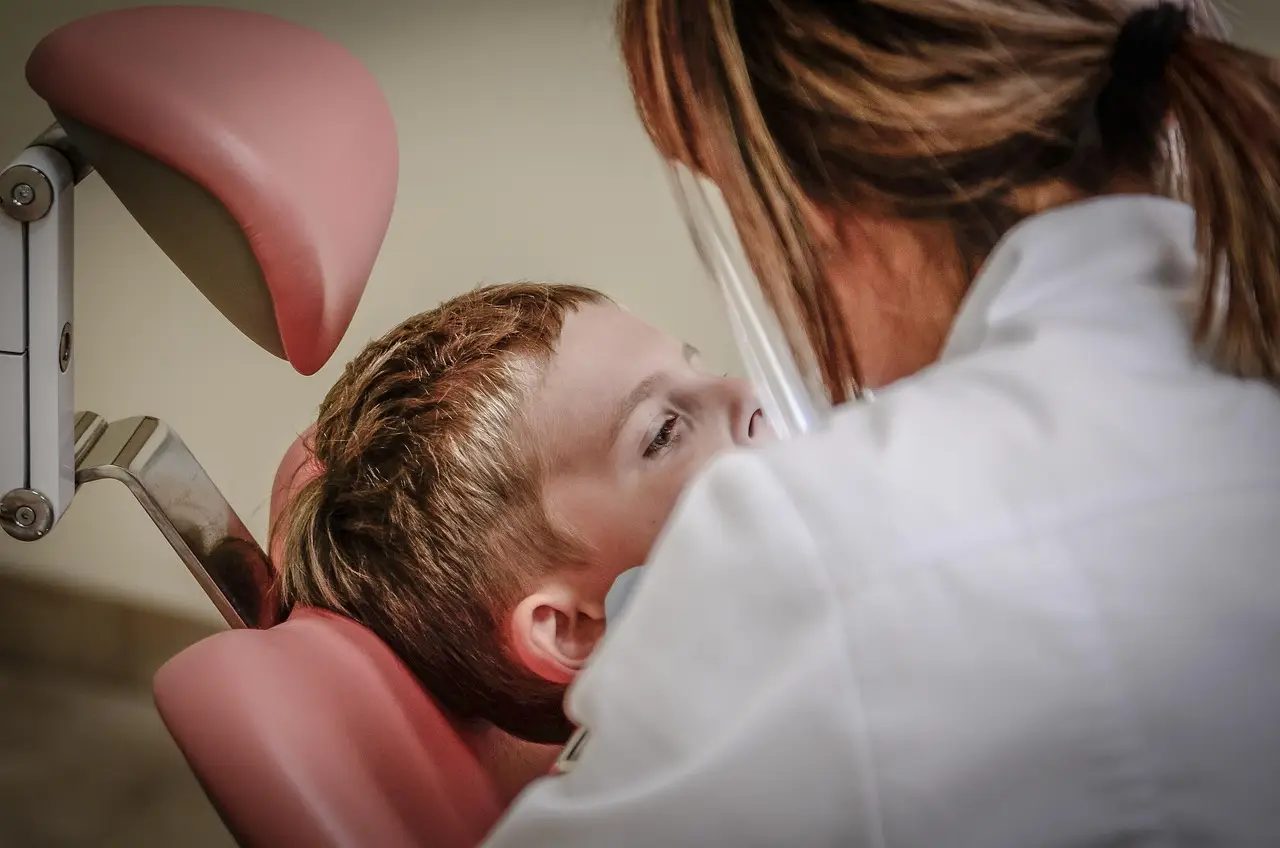
- Whole-patient care for children and adolescents.
- Practical lessons in hair loss, hyperpigmentation, older-adult care and JAK inhibitor management.
Therapeutic innovation does not operate in isolation. Coverage, prior authorization, patient education, professional networks and the quality of a short visit all affect implementation.
The practical takeaway: better medicine still needs a workable pathway into the exam room.
Why can Medicare access limit advanced therapy?
At Horizons in Advanced Practice, Louis Margulis, PA-C, highlighted a recurring barrier: Medicare patients may struggle to obtain advanced therapies after failing required topical or conventional treatments. The item reports no new drug, dose or efficacy endpoint; its focus is access rather than comparative effectiveness.
For NPs and PAs, that gap can force a difficult choice between the option that appears clinically appropriate and the option that is realistically available. Their work often includes patient education, prior authorization, financial assistance and follow-up, placing them close to the point where a prescription may fail in practice.
Margulis emphasized “making limited appointment time count.” His recommended sequence was “introducing yourself, making eye contact, and identifying the patient’s most important concern early in the visit.” These actions cannot resolve coverage gaps, but they can reveal whether the proposed treatment fits the patient’s priorities.
The practical takeaway: NPs and PAs can identify access barriers before they derail treatment.
Why are networking and education clinical tools?
Professional development at Horizons went beyond continuing education credit. Clinicians discussed networking, mentorship and ongoing learning as ways to strengthen both their careers and the care they deliver. Peer contacts provide a place to compare difficult cases, examine colleagues’ approaches to emerging therapies and hear perspectives unavailable within one practice.
Those relationships matter as dermatology acquires more treatment options and expanded responsibilities. They create a practical bridge when formal training and everyday practice diverge, helping clinicians exchange knowledge, ask questions, find mentors and keep developing.
The practical takeaway: a trusted colleague network can inform the next difficult case.
What must clinicians know about emerging therapies?
Horizons sessions on oral peptides and type 2 inflammation showed how quickly treatment science is changing. Presentations explored emerging mechanisms and therapeutic strategies for inflammatory skin disease. The source names no peptide, trial endpoint or safety rate, so it supports a conclusion about clinical readiness rather than superiority.
Knowing a drug’s name is no longer enough. Clinicians must be prepared to explain four core elements:
- The treatment’s mechanism.
- Safety considerations.
- Appropriate patient selection.
- Where the option may fit into existing algorithms.
Continuing education can turn those requirements into practical conversations with patients.
The practical takeaway: every new mechanism needs training in safety, selection and counseling.
What does whole-patient care require?
At the Society for Pediatric Dermatology’s 2026 meeting, discussions reached beyond visible disease. Speakers addressed communication, cultural competence, mental health, genetics and the experiences of children and adolescents living with skin disease. The framework also applies to adult dermatology and advanced practice teams.
Patients bring treatment preferences, psychosocial concerns, family dynamics, access challenges and different levels of health literacy into the exam room. Recognizing those factors lets clinicians tailor both treatment and communication. That individualization may determine whether a patient can follow the plan at home, not merely whether the plan appears correct on paper.
The practical takeaway: a realistic care plan starts by understanding the person who must use it.
Which clinical pearls can change daily care?
At Elevate-Derm Summer, experienced clinicians shared practical strategies in four areas:
- Hair loss.
- Hyperpigmentation.
- Care of older adults.
- JAK inhibitor management.
Rather than focus on major trial readouts or new approvals, the sessions emphasized changes clinicians can use in routine encounters. Small revisions to examination technique, counseling, treatment monitoring or therapeutic decision-making rarely produce regulatory headlines. They can improve efficiency and confidence across a broad range of skin conditions.
The practical takeaway: small workflow changes can improve care on days without a breakthrough approval.
What should practices do next?
Start with access. Practices can examine where Medicare patients lose time to prior authorization or financial barriers after standard treatment fails. Give NPs and PAs time for continuing education, peer consultation and mentorship, and make access navigation part of their routine role. For complex cases, build brief routines that surface communication, cultural, psychosocial, genetic and health-literacy needs. Capture practical lessons from experienced colleagues, then test them in everyday workflows.
The October roundup’s message is plain: treatment advances improve care only when access, knowledge and patient context move together.
The next test for dermatology practice is simple. Advanced therapy, training and patient support must arrive together at the point of care.
Source: dermatologytimes.com
Daniel Okafor
Show full bio
Staff writer covering people, launches and day-to-day practice in Clinical dermatology, inflammatory skin disease and biologics at Derm Field.