461,000 Licensed NPs and Counting: What NP Week 2026 Signals for Practices
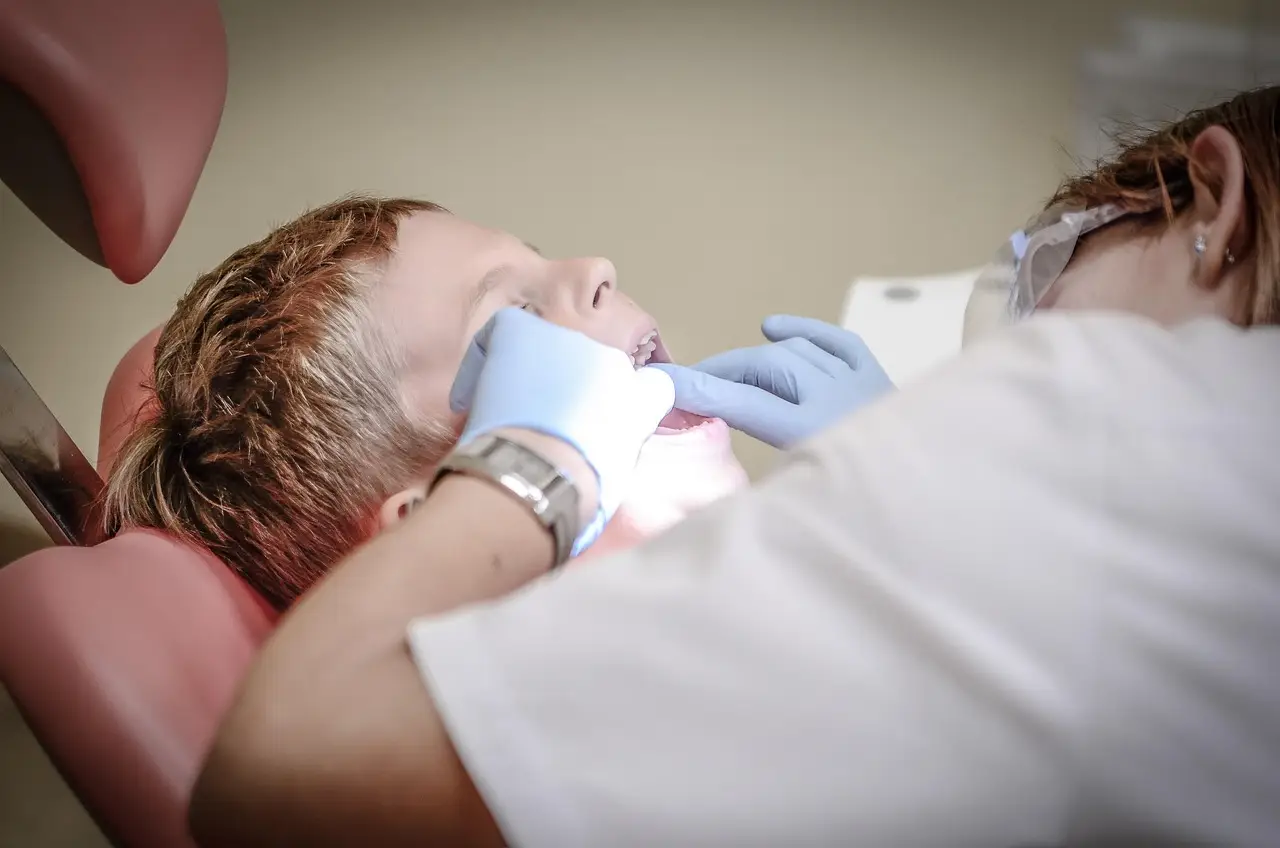
More than 461,000 nurse practitioners hold licenses in the United States, and together they deliver nearly 1 billion patient visits a year. Those two numbers, released by the American Association of Nurse Practitioners (AANP) ahead of National Nurse Practitioner Week 2026, frame a workforce that has quietly become load-bearing infrastructure for American health care — dermatology included.
The week runs November 8 to 14, 2026, and health care organizations across the country will use it to recognize NP clinical expertise, leadership, and contributions to patient-centered care. But the more useful story for practitioners sits in the workforce data underneath the celebration.
How fast is the NP workforce actually growing?
Fast. AANP figures show licensed NPs climbed from roughly 290,000 in 2019 to more than 461,000 in 2025 — growth of nearly 60% in six years. That expansion has spread across outpatient clinics, hospitals, private practices, urgent care facilities, and long-term care settings.
The profession's reach into specialty care matters here. NPs now practice across family medicine, dermatology, oncology, cardiology, and behavioral health — assessing patients, diagnosing conditions, ordering and interpreting diagnostics, prescribing medications, and building individualized treatment plans within their scope of practice.
The Medicare number deserves attention too. In 2023, more than 43% of traditional Medicare beneficiaries received services from an NP. If you run a dermatology practice serving an older patient base — skin cancer screening, actinic keratosis management, chronic eczema in seniors — chances are an NP is already in that care pathway or could be.
What does full practice authority change?
This is the practical question for anyone staffing or partnering across the profession. Full practice authority lets NPs practice to the full extent of their education and training under state law, without mandated physician oversight.
According to the AANP, 27 states, the District of Columbia, and 2 US territories have adopted it. The rest have not. That split creates real variation in how NP-delivered care can be organized from state to state — what a dermatology group can delegate, how a rural satellite clinic gets staffed, and where supervision requirements add cost and friction.
The AANP flags regulatory variation as a live policy issue, alongside reimbursement policies, workforce demands, and access to continuing education. National NP Week is, in part, an advocacy platform for those conversations.
Where NPs fit in access gaps
For rural and underserved communities, NPs help close gaps in primary and specialty access, particularly in physician-shortage areas. Given dermatology's well-documented maldistribution — dermatologists cluster in metropolitan markets — NP involvement in skin disease management is a natural pressure valve.
Beyond diagnosis and treatment, NPs emphasize preventive care, patient education, and long-term health management. The AANP frames this as addressing both immediate clinical concerns and the broader factors shaping patient health.
Leadership, mentorship, and the pipeline
Clinical care remains central, but the profession's footprint now extends into developing treatment protocols, implementing evidence-based practices, running quality improvement initiatives, and coordinating interdisciplinary care. NPs also mentor future clinicians and contribute to professional education.
The AANP is encouraging NPs and health care organizations to mark the 2026 week through community recognition activities, professional advocacy, and sharing clinical practice experiences.
The bottom line for practitioners
A workforce that has grown by 170,000 licenses in six years, touches 43% of traditional Medicare beneficiaries, and holds full practice authority in over half the states is not a peripheral story. For dermatology practices, that means recruitment, delegation models, and state-scope compliance are all moving targets.
The profession's own challenges — regulatory differences, reimbursement policy, workforce demands, continuing education access — will require collaboration among clinicians, professional organizations, health systems, and policymakers. How those conversations land will shape NP-delivered dermatologic care well beyond the week of November 14.
Source: dermatologytimes.com
Sophie Lindqvist
Show full bio
Market editor covering people, launches and day-to-day practice in Clinical dermatology, inflammatory skin disease and biologics at Derm Field.