Dermatologist Rates Anti-Aging Toolkit: Sculptra First, Salmon Sperm Last
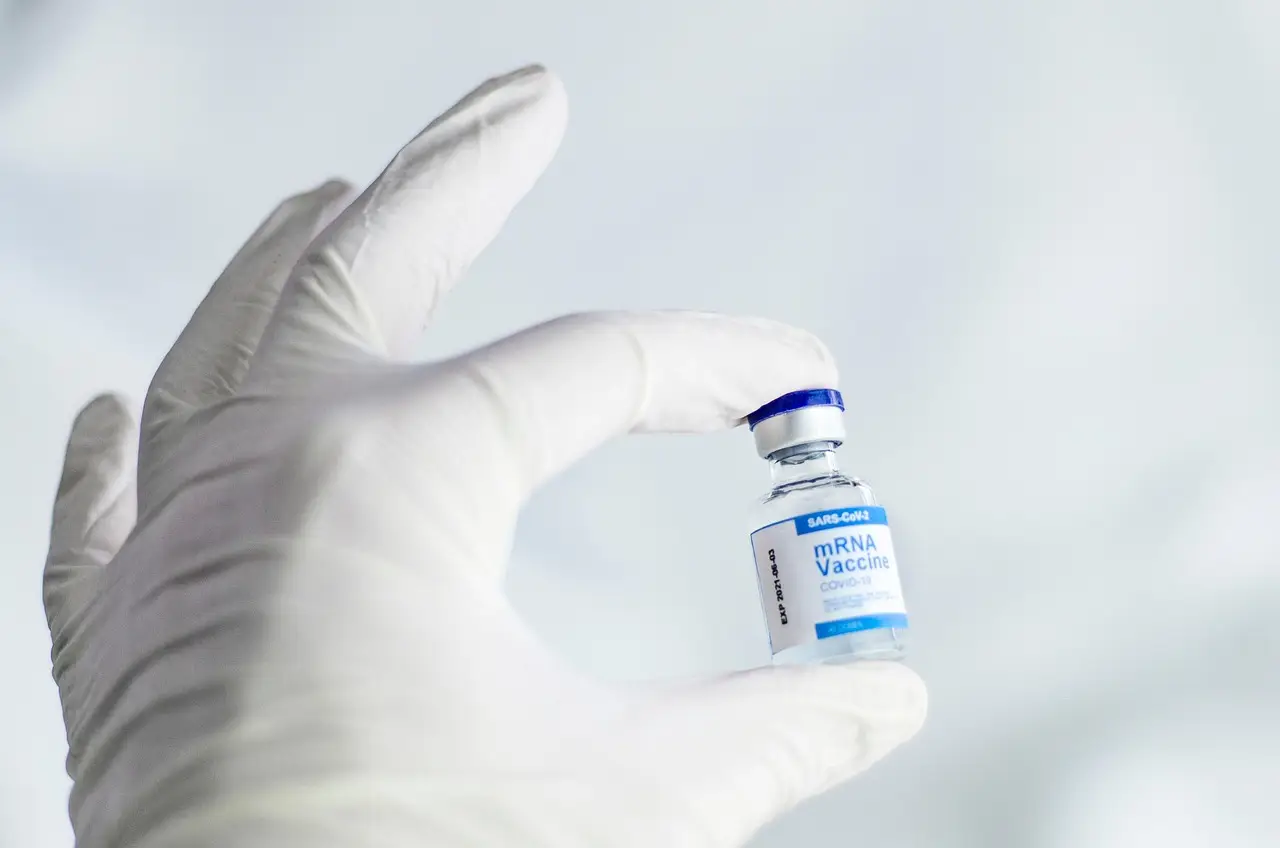
Botulinum toxin injections account for roughly half of all minimally invasive cosmetic procedures in the United States, and Dr. Elizabeth Hale injects them "every single day" at her practice, CompleteSkinMD. In a new guide for CBS News, Hale walked through what works, what needs more data, and what patients should avoid — starting with how the toxin actually functions.
Botox, she explained, "selectively weakens" muscles by blocking the release of acetylcholine, the neurotransmitter that controls facial movement. Muscles that can't contract produce fewer visible lines. The toxin derives from botulinum toxin A, a substance lethal if mishandled, but in a dermatological setting Hale calls it "quite safe and effective." Beyond the forehead, it treats crow's feet, crepey skin and frown lines, and carries FDA approval for hyperhidrosis and migraines.
As patients age, injections tend not to last as long. Hale's advice: allow for "a little movement" at injection sites to keep the face natural.
Is "baby Botox" worth the hype?
The social media trend uses the same drug at lower doses. Small amounts of toxin, Hale said, are "somewhat preventative" and can stop muscles "from forming those lines in the first place" — a draw for younger patients and celebrities who want softened lines while keeping expressive range.
The trade-off is durability. "The less [Botox] you use, the shorter it lasts," Hale said. Baby Botox patients need touch-ups every one to two months instead of the usual four to six, and that frequency may backfire. "There's some data that if you're doing these small mini injections," she said, "you might increase the chance of antibody formation and then it won't work as well." Her recommendation: take a regular dose, "let it wear off completely and do it again in four months."
What works for crepey skin?
Sun overexposure drives most visible aging, and crepey skin signals dehydration. Hale's protocol is prevention plus moisturizer in the morning and ideally a retinol at night to support cell turnover during overnight repair.
For patients with hormone imbalance or in menopause, she says topical estrogen therapies on delicate areas — the neck, under the eyes — can restore elasticity and strength. She also pairs "carefully done procedures" such as Fraxel and fillers to resurface skin, and notes microneedling has shown effectiveness with certain fillers to tighten collagen and strengthen texture.
What about PDRN, peptides and red light?
"Korea is often ahead of where we are in the States," Hale said of skincare innovation. But PDRN — a salmon trout sperm-derived injectable common in Korea, sometimes delivered as "salmon sperm facials" — is where she draws a line. Proponents claim it helps "stimulate the body's stem cells" to rebuild skin, but some recipients developed granulomas or nodules from a "foreign body reaction." Her verdict: try the peels or topical formulas, "but don't have it injected."
Red light therapy gets a qualified pass. Evidence shows it can "take inflammation out of the skin" and "can stimulate a little bit of collagen," Hale said, but not dramatically enough to prescribe as a cure-all. Peptide injections lack sufficient data. Peptides are protein building blocks and "in theory, peptides make a lot of sense," she said — but she won't back the trend until more research lands.
Why Sculptra tops her list
"Sculptra is my single favorite product, my single favorite procedure I perform," Hale said. The biostimulatory filler triggers the body's natural collagen production, gradually "restoring of lost volume."
She first encountered it as NYU faculty, treating facial wasting in AIDS patients. "It was really very meaningful because [Sculptra] really restored their quality of life," she recalled. Better HIV medications ended that use, but cosmetic dermatology adopted the filler — and Hale now sees a new cohort: GLP-1 users whose faces lost volume, with hollow temples and flattened contours after weight-loss drugs. "It is gradual. It's slow. It's ... supernatural," she said.
The non-negotiable basics
Above every procedure, Hale prizes consistency: daily broad-spectrum SPF 30 or higher, plus cleansing and moisturizing morning and evening. She refuses patients who won't commit to those basics. Looking young and healthy "shouldn't just be a quick fix," she said. "It's really part of taking care of your skin every day." With antibody-risk data accumulating on low-dose botulinum regimens, expect the field to keep refining dosing intervals and biostimulatory options like Sculptra as demand from GLP-1 users grows.
By Tom Whitfield, Derm Field
Source: Google News: Dermatology
Tom Whitfield
Show full bio
Senior reporter covering companies, deals and strategy in Clinical dermatology, inflammatory skin disease and biologics at Derm Field.