Cosmeceuticals & Skincare Science
Daily Sunscreen Showed No Measurable Skin Aging Over 4.5 Years
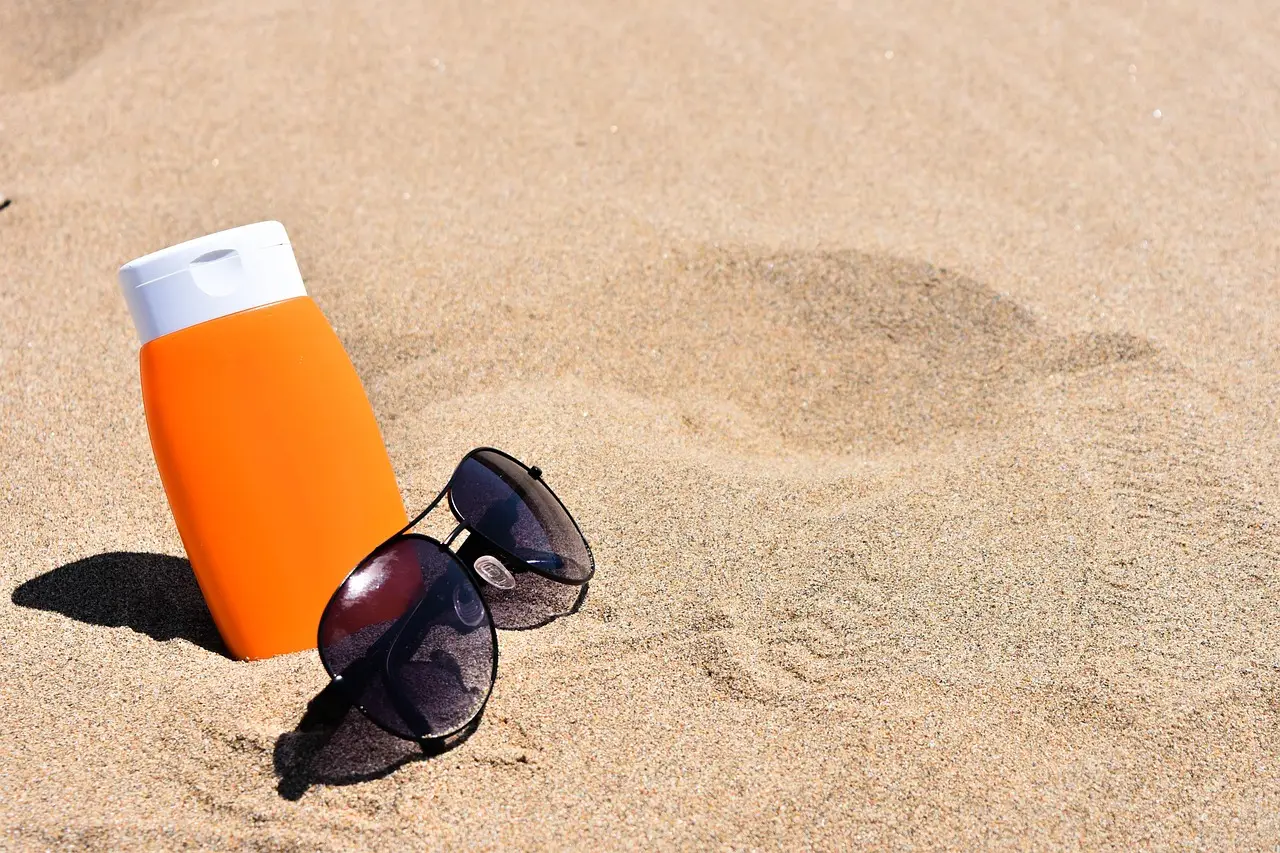
The hardest number in this story comes from Australia: in the Nambour Skin Cancer Prevention Trial, participants randomized to daily sunscreen use showed no detectable increase in measured skin aging over 4.5 years, while discretionary users did age. That randomized finding, published in the Annals of Internal Medicine in 2013, remains the strongest evidence base in all of skincare. And it sits oddly against what Gen Z actually buys.
TikTok has turned skincare into a lifestyle. Retinol, vitamin C, peptide serums, elaborate Korean routines, and the pursuit of "glass skin" dominate beauty feeds. Meanwhile, dermatologists are watching a different signal: ultraviolet radiation keeps damaging skin cells, accelerating wrinkles, and raising skin cancer risk — including basal cell carcinoma, squamous cell carcinoma, and melanoma.
What does the 80% figure actually mean?
Research suggests that up to 80% of visible facial aging may be associated with sun exposure. That's not intrinsic aging, which genetics and biology drive. It's photoaging — the cumulative product of repeated UV exposure.
The mechanisms differ by wavelength. UVA penetrates the skin and drives oxidative stress and collagen degradation. UVB is a major cause of sunburn and direct DNA damage. Both pathways feed carcinogenesis. The same sunlight behind premature wrinkles also contributes to cancer-causing mutations. A review in the Advanced Pharmaceutical Bulletin frames photoprotection as a primary strategy for preventing premature skin aging — not as an optional add-on.
So the irony cuts deep. Patients may spend hundreds of dollars treating damage they could have largely prevented with a much simpler daily habit.
Highly rated doesn't mean adequately protective
Here's the finding that should make practitioners pause. A study published in JAMA Dermatology found that approximately 40% of highly rated sunscreens on Amazon failed to meet American Academy of Dermatology recommendations — often because they lacked adequate water resistance.
Consumer ratings reward marketing, not formulation. That gap matters when patients assume a bestseller is clinically sufficient.
Application behavior compounds the problem:
- Applying a small amount beneath makeup
- Forgetting the neck and ears
- Relying entirely on SPF-containing foundation
Retinoids and exfoliating acids can improve skin appearance. They cannot replace UV protection, and no cosmetic serum substitutes for it.
What does the Nambour trial change for counseling?
Plenty, because it converts sunscreen from a beauty claim into cancer prevention. Long-term follow-up of the Nambour trial demonstrated a reduction in squamous cell carcinoma with regular sunscreen use, with additional evidence suggesting protection against melanoma.
Regulatory guidance aligns. The U.S. Food and Drug Administration recommends regular use of broad-spectrum sunscreen alongside shade and protective clothing. Dermatologists commonly recommend SPF 30 or higher, generous application to exposed skin, and reapplication roughly every two hours while outdoors.
That's a concrete, evidence-backed protocol. An expensive routine without it overlooks one of the most important preventable causes of skin damage.
Prevention is the real anti-aging routine
None of this argues against glowing skin, experimentation, or enjoying beauty trends. But healthy skin shouldn't be measured only by how young it looks, and an expensive routine is not automatically an effective one.
The scientific conclusion is blunt: UV protection reduces photoaging and helps lower skin cancer risk. If the next skincare trend shifts even partly from achieving perfect skin to protecting the skin people already have, both dermatology clinics and cancer statistics could look different a decade from now.
Source: oncodaily.com
Sophie Lindqvist
Show full bio
Market editor covering people, launches and day-to-day practice in Clinical dermatology, inflammatory skin disease and biologics at Derm Field.