Alopecia Areata in Practice: A 50% Scalp Loss Case Dismissed as Stress
A 55-year-old woman with more than 50 percent scalp hair loss and complete eyebrow loss achieved full regrowth by month eight on a JAK inhibitor — after months of being told her hair falling out was "just stress." The case, presented by Dr. Ungar as Case 4 in a patient-perspective series, lays bare what delayed recognition of alopecia areata costs in real time.
The clinical numbers deserve the first look. Ms. Becker, the patient, saw regrowth at three months and full regrowth by month eight. The response has held for over two years. That durability matters for anyone counseling patients on JAK inhibitor therapy, where sustained response and monitoring burden dominate the conversation.
What happened before the diagnosis?
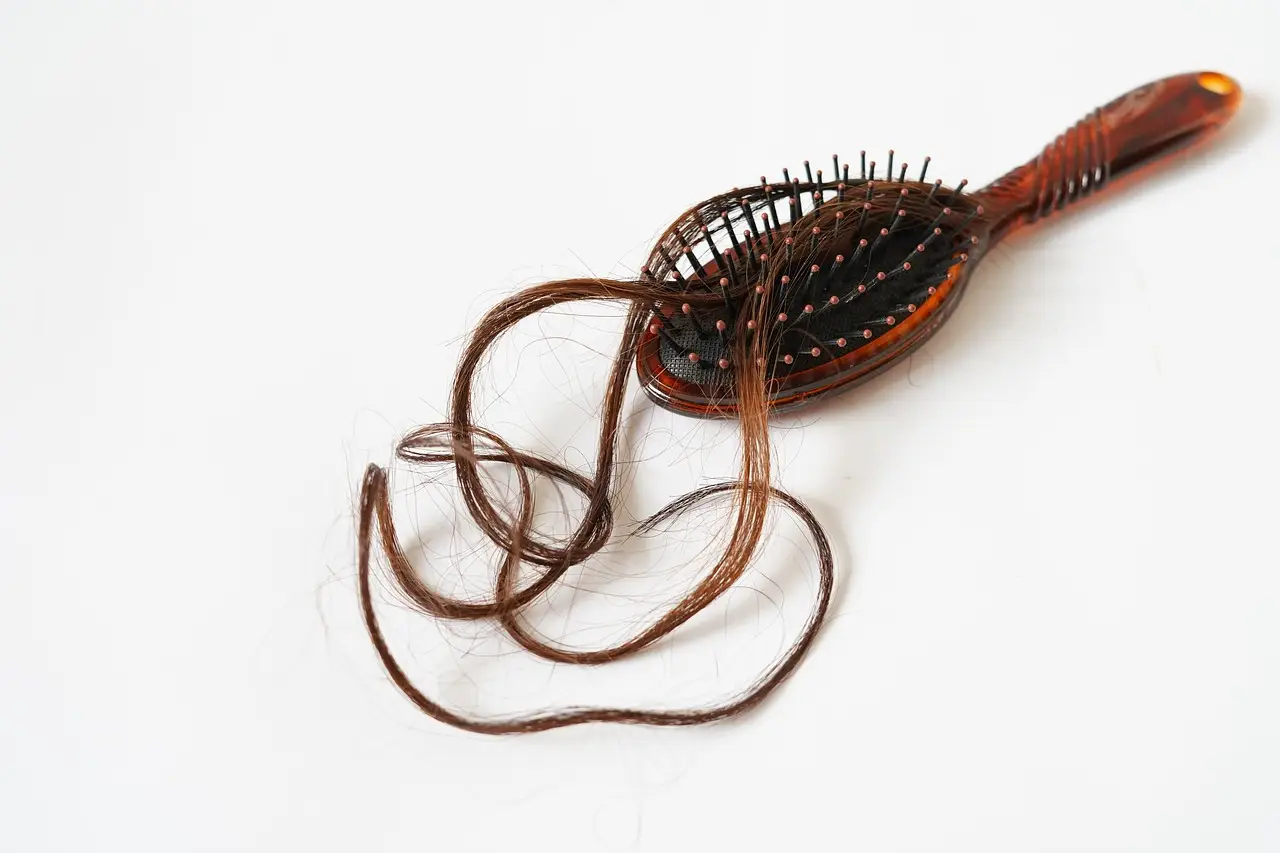
In July 2023, Ms. Becker was showering when her once very long hair began coming out in clumps. She likens it to teeth suddenly falling out for no reason. Nobody in her generation had mentioned that this could happen. She was frightened and in denial.
Her husband was out of town. She saved the hair and photographed it, thinking the evidence might matter later. It did.
She first saw general dermatologists. They attributed the loss to stress. No blood work was done. Alopecia was never named. She received topical steroids and, she believes, oral minoxidil — without response.
Four months passed. In November, she reached Dr. Ungar, who connected her history, recognized the significance, and explained the JAK inhibitor studies, including two options.
What does this change for clinicians?
The core lesson isn't exotic. It's diagnostic discipline. Ms. Becker felt discounted, she said, and noted the first physicians lacked the expertise to consider an autoimmune disease. The stress explanation implied she should simply cope.
Dr. Ungar agrees that this framing can undersell the disease and delay treatment directed at inflammation. For a condition where earlier intervention plausibly protects the follicle from sustained autoimmune attack, that delay isn't neutral. Every month of "it's stress" is a month of untreated inflammation.
The patient's agency also drove the outcome here. That dissatisfaction pushed her to research Dr. Ungar and his center on her own. Patients increasingly arrive having already searched the literature; in this case, the search connected her to the right expertise.
How did treatment unfold?
Once the autoimmune diagnosis was on the table, the decision felt easy, Ms. Becker said, and treatment began almost immediately. She has continued ever since.
She reports feeling safe and cared for during blood work monitoring — a detail practitioners shouldn't skip. JAK inhibitor discussions often stall on lab monitoring anxiety, and a patient volunteering that she felt supported through it is worth quoting back to hesitant patients.
The timeline, condensed:
- July 2023: Sudden, massive shedding in a single shower; hair saved and photographed.
- Summer–fall 2023: General dermatology visits; stress attribution; no blood work; topical steroids and probable oral minoxidil, no response.
- November 2023: Consultation with Dr. Ungar; autoimmune recognition; JAK inhibitor options explained.
- Month 3: Regrowth visible.
- Month 8: Full regrowth.
- Two-plus years: Response maintained.
The bigger picture
One case doesn't settle anything about JAK inhibitor selection or long-term safety. But it does illustrate the diagnostic gap with unusual clarity: a woman with over half her scalp hair and all her eyebrows gone, sitting in dermatology offices, leaving without a diagnosis, blood work, or a disease name.
The series continues with "Living With Alopecia Areata: Emotional Toll, Hope, and Trust in Care," in which Ms. Becker describes the emotional toll of hair loss and the hope that followed treatment — a reminder that for alopecia areata, the psychosocial endpoint sits alongside regrowth as a measure of success.
Source: dermatologytimes.com
Sophie Lindqvist
Show full bio
Market editor covering people, launches and day-to-day practice in Clinical dermatology, inflammatory skin disease and biologics at Derm Field.