Alopecia Areata: Hair Regrowth Rebuilt a Life, but Relapse Fear Persists
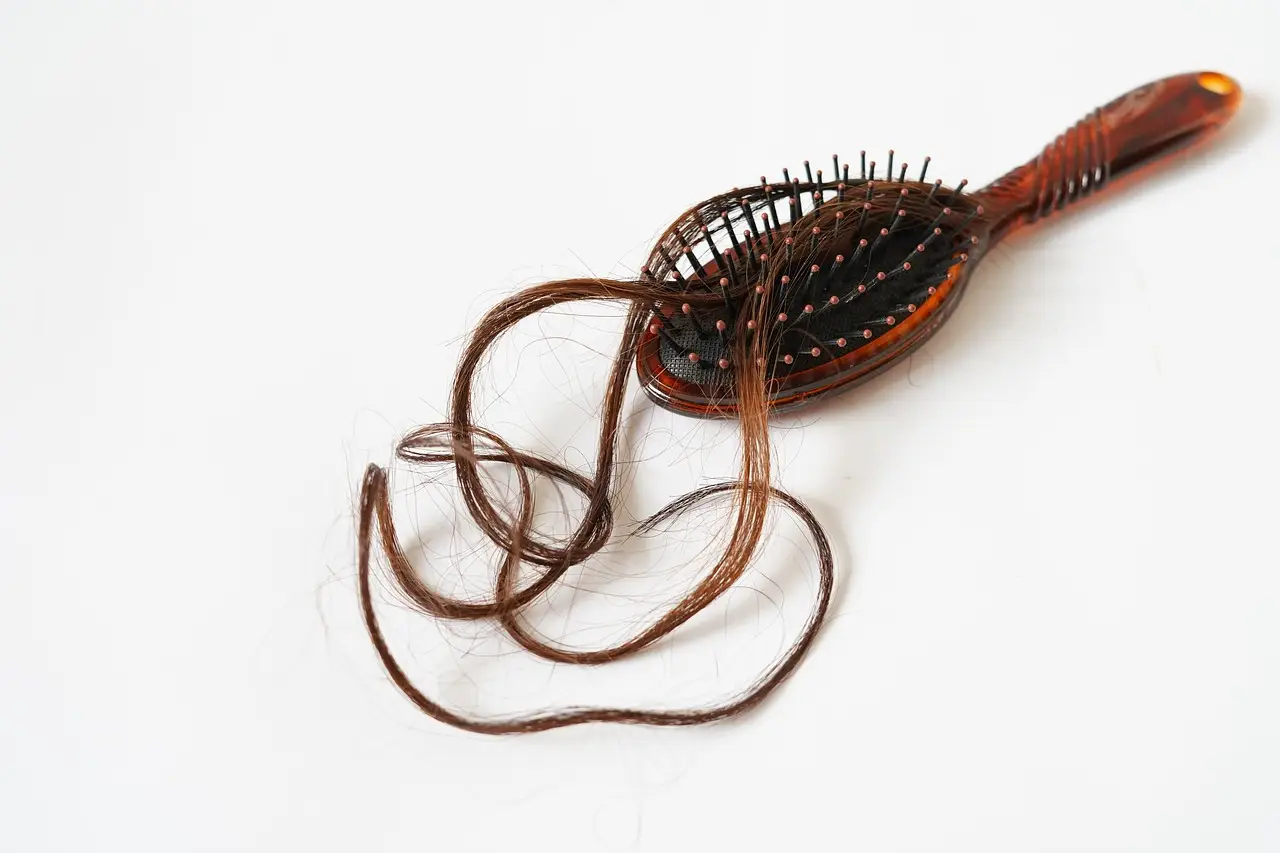
A patient who lost her hair to alopecia areata (an autoimmune disorder that causes patchy or total hair loss) says regrowth restored her confidence — yet she still panics at the thought of her medication stopping. That unresolved fear sits at the center of a new patient–physician conversation between Ms. Becker and Dr. Ungar, which examines the emotional course of the disease from dismissal to remission.
How did the system fail her first?
Ms. Becker describes her earliest encounters with medicine as dismissive visits. They left her anxious about whether any expert could help at all. The sting has a specific irony: clinicians diagnosed her with stress when the disease itself was the source of her stress. Dr. Ungar closes the exchange with a hope that such comfort spreads to more providers, so the next patient is not told it is stress.
What did the disease take?
When her hair fell out, Ms. Becker became extraordinarily depressed. She realized how much she relied on hair for identity, gender, and generational image. The loss was not cosmetic; it unraveled how she understood herself.
Shame followed. She felt exposed in public, and people stared when she went out, which fed social anxiety and depression. She stayed home — and she notes, candidly, that not working full-time at that point made withdrawal easier. In desperation she considered spending thousands of dollars on wigs she could not afford.
What did recovery look like?
Regrowth changed everything, and it did so gradually. A little hair brought a little confidence. Then came headbands, then very cropped styles, and she felt better as the hair grew. The progression matters: confidence tracked each visible increment of regrowth rather than arriving at some clinical endpoint.
Still, fear lingers. She sometimes panics about the medicine stopping. Dr. Ungar reassures her about new JAK inhibitors (a class of oral drugs that block immune-signaling proteins involved in alopecia areata) in development, and she reports she has not worried since her hair reached a reasonable length. Hope, in this account, is a pharmacological pipeline as much as an emotion.
What happens if treatment stops working?
Dr. Ungar offers a tempered prognosis. Not everyone keeps a full response on one treatment. Flares pass, and hair regrows. If a drug stops working, other options exist — so she would not return to square one. The reassurance is structural, not a promise of permanence: the safety net is the existence of alternatives, not the durability of any single agent.
That framing carries weight precisely because relapse fear is the symptom that outlived the others. Depression lifted with regrowth; anxiety about losing treatment remains.
Why does trust sustain long-term care?
Asked what her trust rests on, Ms. Becker names three things about Dr. Ungar: his bedside manner, the depth of his research, and his ability to explain science to a layperson. None of the three concerns efficacy data directly. All three concern communication — an instructive point for clinicians managing a disease whose psychological burden can rival its visible one.
The conversation is not the end of the series. A next episode, titled "Alopecia Areata Patient Advice: Treatment Decisions, Choosing a Specialist, and Self-Advocacy," will cover Ms. Becker's questions before treatment and her advice for patients and clinicians. For a specialty still absorbing JAK inhibitor development into routine alopecia care, her account of what patients actually fear — and what reassures them — may prove as useful as the trial data.
Source: dermatologytimes.com
Amara Osei
Show full bio
Correspondent covering technology and product news in Clinical dermatology, inflammatory skin disease and biologics at Derm Field.