After Adopting a Shelter Dog, One HS Patient Found Relief Beyond Biologics
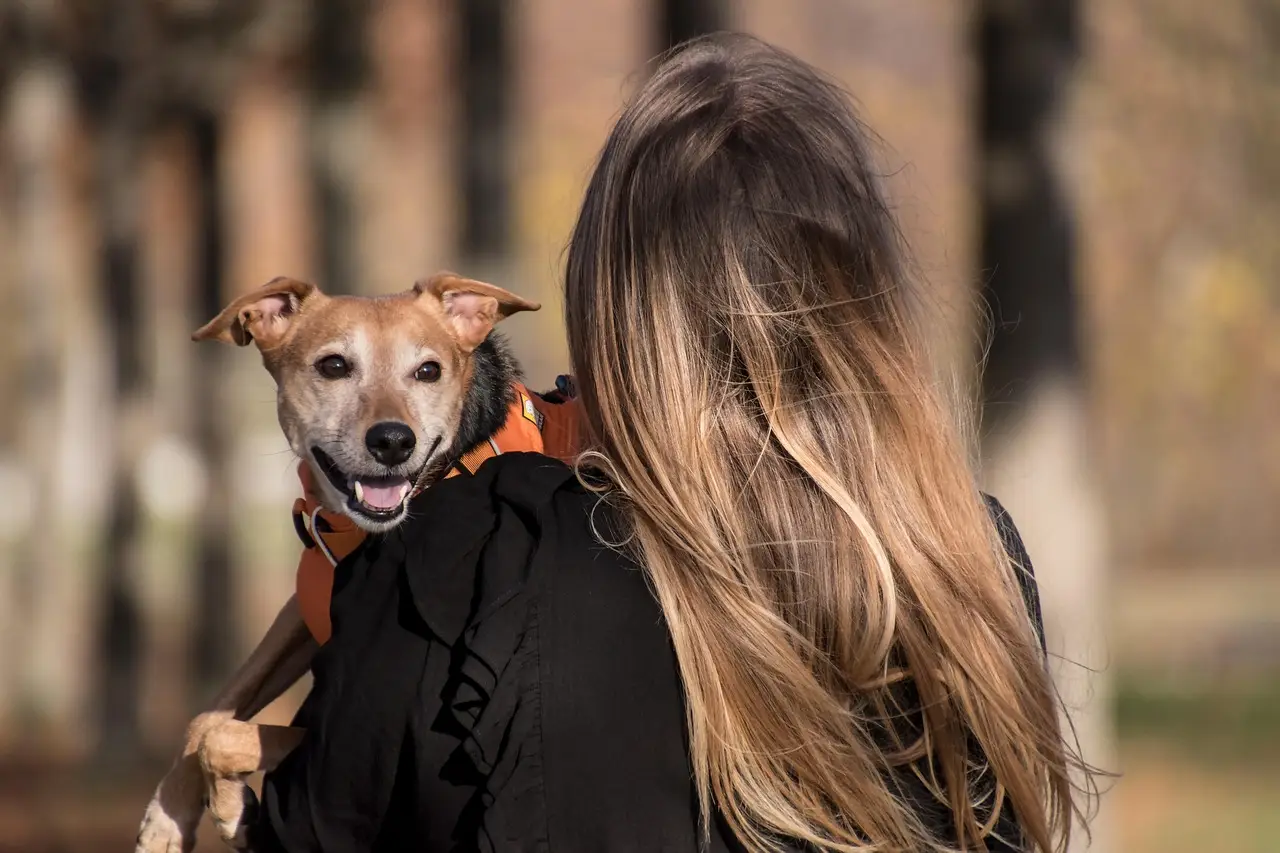
A 31-year-old woman with hidradenitis suppurativa (HS) lived with symptoms for roughly 15 years before receiving a diagnosis — and after adopting a shelter dog during biologic therapy, she reported meaningful gains in anxiety, depression, pain, self-confidence and physical activity, according to a clinician-authored case published on Derm Field's radar this month.
The case, described by the treating dermatologist, is a single-patient experience, not a trial. But it lands on a well-documented problem: depression and anxiety occur at higher rates in people with HS than in the general population, and studies have identified increased risk of suicidal ideation and suicide among these patients.
What did the treatment look like?
The patient presented with uncontrolled disease — recurrent, painful nodules and abscesses affecting the axillae, breasts, upper thighs and buttocks, often with drainage. Her comorbidity list was long: polycystic ovarian syndrome, thyroid disease, obesity, depression, anxiety, herpes simplex virus and ADHD.
She had already failed topical clindamycin and about one year of adalimumab without what she considered meaningful improvement. Her regimen combined:
- Topical clindamycin and benzoyl peroxide wash
- Gentle cleansers, moisturizers and supportive skin care
- Lifestyle counseling
- Secukinumab 300 mg subcutaneously every 4 weeks
Breakthrough nodules persisted, especially in warmer weather and with increased perspiration, so her dosing frequency was increased — with further improvement in flares. Multidisciplinary specialists managed her comorbidities in parallel.
Then what changed?
At a later follow-up, the clinician noted she appeared noticeably more positive and energetic. The reason: she had unexpectedly connected with a dog at an event featuring shelter animals and adopted it.
"The dog gives me energy," she told her physician. The adoption pushed her out of the house more often and increased her exercise. She also reported feeling more comfortable walking in public, because she sensed people focused on the dog rather than on her — a small but concrete shift for a disease where odor, drainage and visible lesions often drive social withdrawal.
During painful flares and hard mental-health days, caring for the animal supplied structure. "The dog is my security blanket," she said. "The dog doesn't care or judge me." Even on difficult days, she still had a reason to get up, feed the dog and go outside.
Where does animal-assisted support fit in HS care?
Animal-assisted therapy (AAT) covers a spectrum: structured AAT programs, animal-assisted activities, equine-assisted therapy, emotional support animals, service animals and ordinary pet ownership. Research outside HS links animal interaction with reduced stress and anxiety, greater social connection, lower stress responses and increased oxytocin — the hormone tied to social bonding and emotional regulation.
One study of pet ownership among people managing long-term conditions (Reeves et al., Chronic Illn, 2012) found pets offered dependable emotional support plus a sense of purpose and connection. That may matter especially in HS, where pain, embarrassment, unpredictable flares and concerns about odor can feed isolation. Animal-assisted interventions have also been explored for acute and chronic pain, with proposed mechanisms including distraction, emotional comfort, reduced stress, improved sleep and more engagement in meaningful activity.
The caveat is firm: none of this treats the inflammatory mechanisms driving HS.
What does this change for clinicians?
Not prescription — screening. Pet ownership carries real burdens: allergies, cost, housing restrictions, physical demands and long-term commitment. It shouldn't be recommended indiscriminately. Lower-barrier alternatives include visiting friends' or family members' animals, volunteering with animal organizations, pet-sitting or joining established animal-assisted activity programs. For patients with severe physical limitations during flares, appropriately trained service animals may assist with tasks like retrieving items, though eligibility requirements vary.
The case doesn't establish that pets improve HS disease activity; the patient was on concurrent biologic therapy. What it does illustrate is the value of asking patients what helps them function and cope. HS management already demands individualized combinations of medical therapy, procedural treatment, wound care, pain management, mental health care and comorbidity control — and for some patients, the human-animal bond may earn a place alongside them as clinicians look beyond lesions to the person living with the disease.
Source: dermatologytimes.com
Olivia Hart
Show full bio
News editor covering technology and product news in Clinical dermatology, inflammatory skin disease and biologics at Derm Field.