Cosmeceuticals & Skincare Science
Winter Skin Care: Little Rock Dermatologist Maps Seasonal Barrier Repair
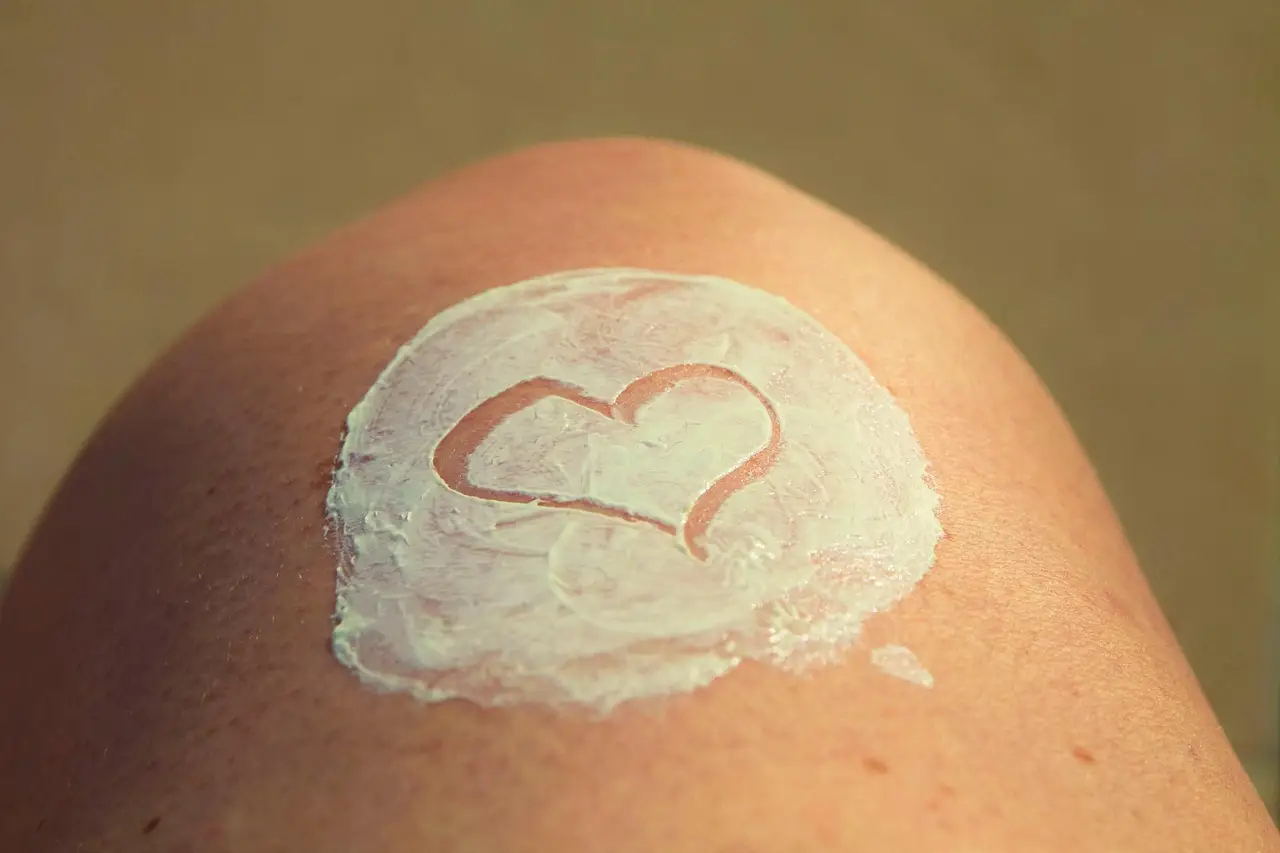
November has arrived, and with it the dry, cold air that pushes skin toward barrier compromise — a shift that demands a changed moisturizer routine, not merely more of the same product, according to Alex Sanroma of Little Rock Dermatology Clinic in Arkansas.
Sanroma, speaking to KATV as temperatures begin to fall, identified the mechanism plainly: air dries as it cools, while everyday habits compound the problem. Two common winter behaviors — "taking warmer showers" and "cranking up the heat in our home" — can change the pH of the skin, Sanroma said. As skin dries out, the protective barrier (the outer layer that holds moisture in and irritants out) becomes compromised.
Why the moisturizer must change with the season
The core recommendation is seasonal substitution, not simple repetition. "Men and women need to adjust their moisturizers, their routine, based on the seasonal changes," Sanroma said. In drier conditions, that means switching to a heavier moisturizer and using emollients (thick, oil-rich preparations that soften skin and seal in water) to prevent cracking.
Age adds another variable. Cell division slows over time, Sanroma explained, which makes exfoliation more important in older patients. The recommendation spans "both mechanical and chemical exfoliation" — physical abrasion and acid-based agents, respectively — to keep cell turnover on track.
Does sunscreen stop mattering in cold weather?
No, according to Sanroma, and the claim carries weight precisely because public behavior suggests otherwise. Some people stop using sunscreen when temperatures cool down. "The UV radiation is always there," Sanroma said, so protection should continue year-round. The caution applies even in months when sun exposure feels negligible.
Cracked skin raises infection risk
For patients with severely dry or damaged skin, the stakes extend beyond comfort. Once skin starts cracking, the risk of secondary infections increases. Sanroma flagged three higher-exposure groups:
- People who work with their hands
- People whose hands are often in water
- People who wash their hands frequently at home
The treatment logic targets barrier repair rather than symptom suppression. Sanroma recommended applying an emollient at night — "sometimes even wearing cotton gloves to keep it occluded." The glove functions as an occlusive layer, holding the emollient against the skin overnight, much as a bandage holds a wound gel in place.
Why winter is the right season for procedures
Cooler months also open a scheduling window for interventions that carry sun-exposure constraints. Chemical peels and microneedling become easier to arrange when patients spend less time outdoors, Sanroma said. Reduced ambient UV likewise makes it a practical period for treating existing sun damage and precancerous lesions. One option Sanroma named is photodynamic therapy (a treatment in which a light-sensitizing agent is activated by light) with blue light, used to help clear "precancerous actinic keratoses" — rough, sun-induced lesions that can precede squamous cell carcinoma.
The seasonal timing is not incidental. Post-procedure skin is more vulnerable to UV, and actinic keratosis treatment itself depends on controlled light exposure, so lower winter sun intensity simplifies both logistics and safety.
What the advice leaves open
Sanroma offered no specific product names, concentrations, or formulations — the guidance stays at the category level of heavier moisturizers, emollients, and dual exfoliation. Patients seeking individualized regimens would need a consultation; Little Rock Dermatology Clinic lists its services at littlerockdermatology.com and maintains Facebook and Instagram accounts, Sanroma noted.
The message for clinicians and patients alike is that winter skin care is an active recalibration: swap the moisturizer, keep the sunscreen, treat cracks as infection risks, and use the low-sun months to schedule procedures that summer makes complicated. Practices that prompt patients on seasonal routine changes now may see fewer barrier-compromise visits by January.
Source: Google News: Dermatology
Amara Osei
Show full bio
Correspondent covering technology and product news in Clinical dermatology, inflammatory skin disease and biologics at Derm Field.