Vitamin B12 shots: Energy fix or costly placebo effect?
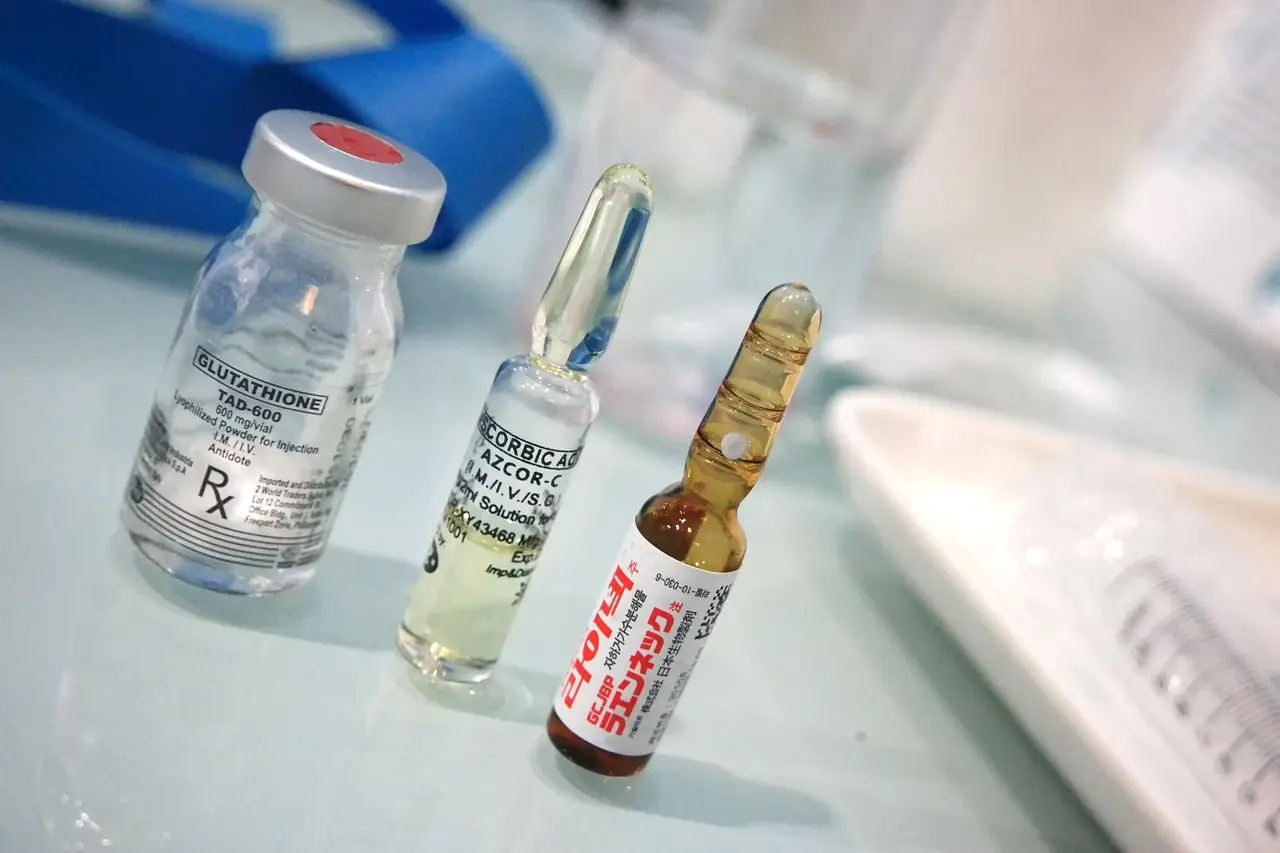
About 4% of U.S. adults have low vitamin B12 levels, and deficiency becomes more common at age 60 and older. Yet most people have adequate B12, which matters: additional doses are unlikely to improve energy when blood levels are already sufficient.
Why B12 deficiency develops
Vitamin B12 is essential and occurs naturally in animal foods, including meat, fish, eggs and dairy. It is also added to some breakfast cereals and nutritional yeasts. B12 helps the body make red blood cells and DNA, keeps nerves functioning and participates in turning food into energy. That last role forms the basis of its reputation as an energy booster.
When B12 runs low, anemia, memory problems, depression and fatigue can follow. Andrea Dean, a hematologist at Loyola University Medical Center in Chicago, says severe deficiency can also cause numbness and tingling in the hands and feet.
Absorption requires adequate stomach acid and a protein called intrinsic factor. Deficiency despite a balanced diet often reflects gastritis, which reduces acid production, or pernicious anemia, an autoimmune condition in which the stomach stops making intrinsic factor.
Risk factors include:
- Weight loss or stomach surgery
- Digestive conditions such as celiac disease or Crohn’s disease
- Overuse of alcohol
- Long-term use of metformin or acid-reducing medications
- Vegan and some vegetarian diets without fortified foods or supplements
What an extra shot can—and cannot—do
For people whose fatigue or mental slowing comes from B12 deficiency, treating the deficiency can restore energy. If B12 is already adequate, taking more is unlikely to reduce tiredness or improve athletic performance. Dean compares the situation to filling a car: once the tank is full, more fuel will not make it go faster.
Some people who feel more energetic after a shot may be experiencing a placebo effect. “We know that some of this is just all mental,” Dean said.
Med-spa owners and employees often promote B12 injections on social media as a quick pick-me-up during busy weeks. Some spas say clients feel an energy lift within a day or two and recommend another shot every few weeks.
There is also a financial incentive for med spas. A typical U.S. spa pays less than $1 per shot and charges consumers $25 to $75; profits accumulate when clients return for weekly injections.
B12 is generally safe even at high doses because the body eliminates what it does not need, and Dean said she has never seen an overdose. But safety does not make an unnecessary shot worthwhile: with normal B12 levels, injections are unlikely to justify their cost.
What does this change for tired patients?
Fatigue has many possible causes, including poor sleep, low thyroid hormone and low iron. “It’s not just B12,” Dean said. Anyone tired most of the time should see a clinician to identify the cause rather than assume B12 deficiency.
A B12 level is a simple blood test that a primary care doctor can order. In many U.S. states and in the UK, people can also order the test online through commercial laboratories.
Self-ordered results can be difficult to interpret because a person can be deficient even when the result looks normal. Most labs use a low cutoff of 200 or 250 pg/mL, while Dean treats anyone below 400 pg/mL.
For people with borderline results and symptoms, clinicians can order two additional blood tests—methylmalonic acid and homocysteine—to help confirm deficiency.
If a level is low, the clinician should determine the cause because that cause affects treatment. Medical history may explain it; otherwise, testing for pernicious anemia may be needed.
Choosing oral or injectable treatment
B12 can be taken as a pill or given as a shot. Injections deliver the vitamin into a muscle or under the skin, bypassing the gut entirely. That route makes shots the best choice for severe deficiency, nerve symptoms and conditions such as pernicious anemia that prevent absorption. Dean’s rule for neurological symptoms is blunt: do not delay treatment.
For many other patients, high-dose oral B12 raises blood levels about as effectively as injections and costs less.
Going forward, the practical endpoint is targeted treatment, not a more frequent injection schedule: confirm deficiency, establish its cause, then choose oral or injectable replacement according to absorption and neurologic needs. For tired patients and med-spa operators, that is what changes; extra shots in people with normal levels are unlikely to justify their cost.
Source: theguardian.com
Sophie Lindqvist
Show full bio
Market editor covering people, launches and day-to-day practice in Clinical dermatology, inflammatory skin disease and biologics at Derm Field.