Personalized mRNA Vaccine Cuts Melanoma Relapse Risk 42% in Phase III
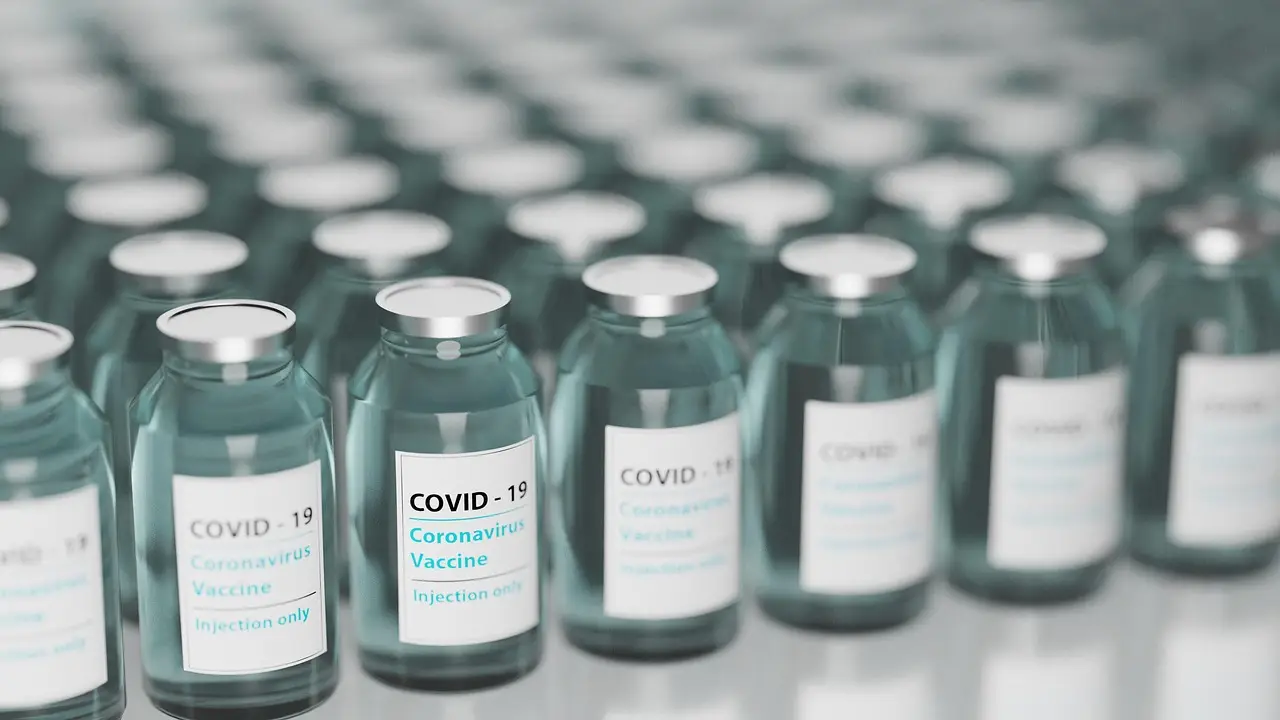
A personalized mRNA cancer vaccine reduced the risk of melanoma recurrence or death by 42% when added to pembrolizumab (Keytruda) after surgery, according to full Phase III results presented Saturday at the ESMO Congress in Madrid. Two-year recurrence-free survival reached 82% with the combination versus 70% with pembrolizumab alone in the INTerpath-001 trial of 1,137 patients.
The vaccine, intismeran autogene (formerly mRNA-4157 or V940), is jointly developed by Moderna and Merck. Investigators led by Georgina Long, MBBS, PhD, of Melanoma Institute Australia and the University of Sydney, enrolled adults with high-risk Stage II, III or IV cutaneous melanoma whose tumors had been completely resected and who had received no prior systemic therapy. Participants received intismeran injections every three weeks for up to nine doses plus pembrolizumab, or pembrolizumab monotherapy, with the checkpoint inhibitor given at a higher dose every six weeks.
"This is the first Phase III study to show that a treatment built from the unique 'fingerprint' of a patient's own tumor can reduce the risk of recurrence or death from cancer," Long said in an ESMO news release. She added that the results "have the potential to make a foundational shift in how we treat patients with earlier-stage melanoma in the adjuvant setting." The findings, accepted for publication in The New England Journal of Medicine, closely match top-line figures the companies announced in August.
How does the vaccine work?
Intismeran is built by sequencing DNA from a patient's resected tumor to identify mutated proteins called neoantigens. Artificial intelligence algorithms select those most likely to provoke an immune response, and the resulting mRNA construct — the same platform as Moderna's COVID-19 vaccine — carries blueprints for up to 34 melanoma neoantigens. Long described the mechanism as a "'wanted poster' of the cancer... showing the immune system exactly what to look for and attack." Pairing it with a PD-1 inhibitor (a drug that restores T-cell activity against tumors) effectively releases the brakes and presses the accelerator simultaneously.
What did the trials show?
The Phase III data extend a documented trajectory:
- In the intent-to-treat analysis, with median follow-up of about two years, the combination cut recurrence or death risk by 42% and distant metastasis or death by 38%; distant metastasis-free survival was 86% versus 80%.
- Efficacy diverged after six months of similar performance, at which point the vaccine reduced recurrence or death risk by 58%.
- In a modified intent-to-treat population receiving at least one vaccine or placebo dose, risk reductions were 49% for recurrence or death and 45% for distant metastasis or death.
- Overall survival data are not yet mature, though they currently favor the vaccine regimen.
The Phase IIb KEYNOTE-942 study (NCT03897881), 157 patients with resected Stage III or IV cutaneous melanoma, established the signal: 18-month recurrence-free survival of 79% versus 62%, a 44% risk reduction published in The Lancet. At approximately three years, reported at ASCO 2024, rates were 75% versus 56%. Five-year data presented at this year's ASCO meeting and published in the Journal of Clinical Oncology showed a 49% lower risk of recurrence or death and a 59% reduction in distant metastasis or death.
Is the regimen safe?
Treatment-related adverse events occurred in 96% of the combination group and 90% of the monotherapy group, consistent with known pembrolizumab toxicity. No severe adverse events were attributed to the vaccine. The most common events with the combination were fever (52%), injection site pain (51%) and fatigue (39%), mostly mild to moderate.
Moderna chief executive officer Stéphane Bancel said in a news release: "The INTerpath-001 results mark a defining moment for that vision and show what's possible when we rethink how medicines are made." Notably, the presentation followed an online leak two days early that drove Moderna's stock down — a reaction, like August's spike, that the moderately effective results in a select population arguably did not warrant.
What remains unresolved?
Several caveats temper the findings. The regimen required completely resectable, sequenceable tumors, restricting eligibility to a subset of melanoma patients. A separate trial of perioperative pembrolizumab appeared roughly as effective as post-surgical vaccine plus pembrolizumab, though the studies are not directly comparable. The combined cost of a bespoke vaccine layered onto an expensive immunotherapy remains unaddressed.
Melanoma is also a mutation-rich, immunologically "hot" cancer; whether the approach transfers to "cold" tumors such as brain, pancreatic, prostate and most breast cancers is untested. Beyond melanoma, intismeran plus pembrolizumab is in Phase III trials for non-small cell lung cancer (INTerpath-002, -009, -014), Phase II studies in kidney and bladder cancer and first-line metastatic melanoma and lung cancer, and a Phase I adjuvant trial in pancreatic and stomach cancer. Those readouts will determine whether personalized neoantigen vaccination becomes standard adjuvant melanoma care or a broader oncology platform.
Source: Google News: Melanoma
Amara Osei
Show full bio
Correspondent covering technology and product news in Clinical dermatology, inflammatory skin disease and biologics at Derm Field.