p53 Activation With Navtemadlin Boosts T-Cell Killing of Melanoma
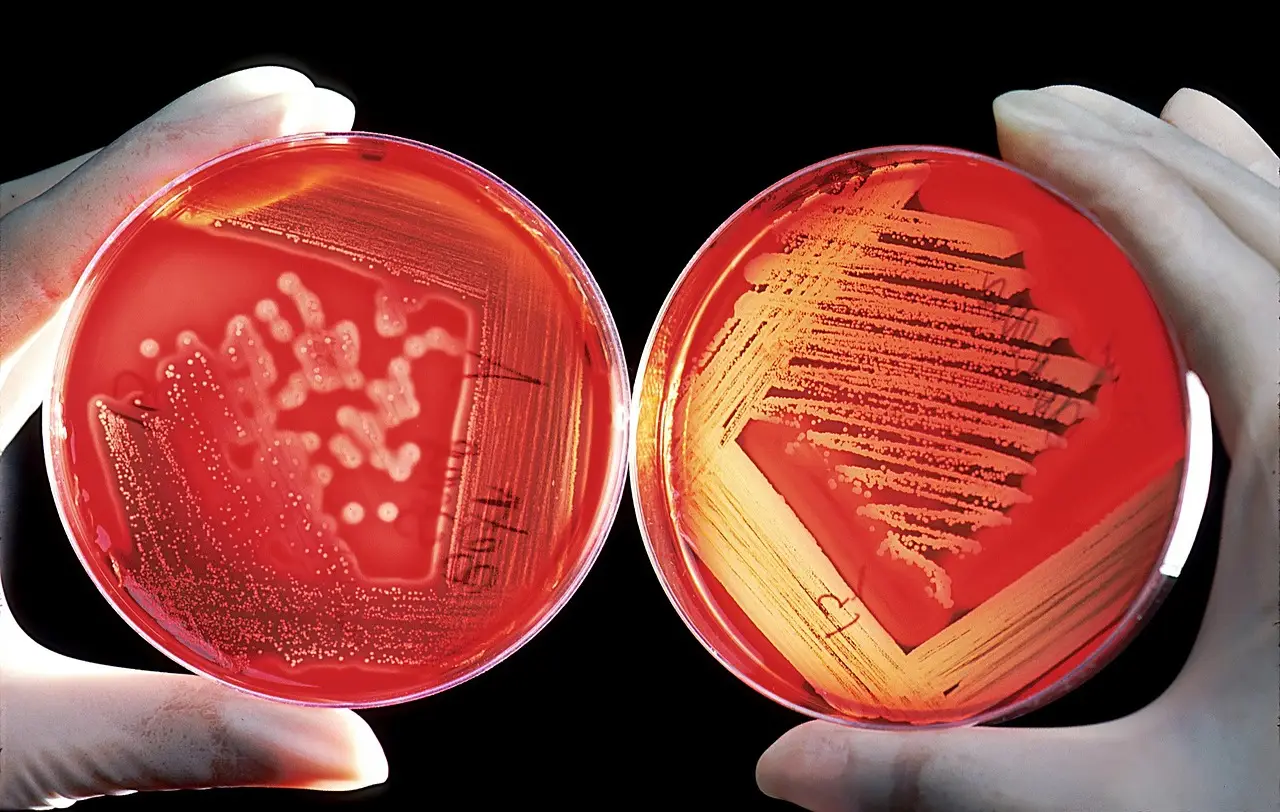
Short-term activation of the protein p53 made engineered human T cells roughly better killers of melanoma cells in the lab, with treated cells clearing cancer more effectively after about 40 hours and holding that edge for nearly seven days of continuous monitoring. The study, led by UCLA Health's Jonsson Comprehensive Cancer Center and published in Frontiers in Immunology, used navtemadlin, an investigational MDM2 inhibitor, to push T cells toward a longer-lived, more potent state.
That result matters because of what it didn't require. No extra genetic engineering. No added interleukin-2, the support protein commonly used to keep T cells growing. The gain came from a temporary drug exposure during cell preparation.
Why T cells burn out
CAR T cell and TCR therapies have transformed certain blood cancers. Solid tumours are a different story. There, T cells face repeated exposure to tumour signals and gradually lose the ability to multiply and kill — the well-documented problem of T cell exhaustion. The manufacturing process itself compounds the issue, pushing cells to mature too quickly to survive long after infusion.
The UCLA team asked whether p53, the tumour-suppressor protein studied for decades, could hold T cell function steady. They collected human T cells and treated them with navtemadlin. Because MDM2 normally keeps p53 in check, blocking it raises p53 activity. Researchers then compared treated and untreated cells on development, energy production and cancer-killing capacity.
The upshot: one short drug exposure changed how the cells behaved on every measure tested.
What did the treated cells actually do?
Three changes stood out in the data:
- Treated cells shifted toward central memory T cell differentiation — the state that lets cells survive longer and re-expand when they meet their target again.
- They showed fewer molecular exhaustion markers and carried greater energy reserves.
- They produced more interferon-gamma and granzyme B, two proteins that coordinate immune responses and destroy cancer cells directly.
For the killing assays, the researchers engineered the T cells to recognise a protein on certain melanoma cells, then tracked activity with specialised imaging for close to seven days. Navtemadlin-prepared cells began outperforming untreated controls after roughly 40 hours and kept that advantage to the end. The improvement held even without interleukin-2 in the culture.
Dose decided the outcome. Lower concentrations encouraged memory T cell development without meaningfully cutting cell viability; higher doses killed more cells outright.
In plain terms: enough p53 signal builds a better soldier, too much destroys it.
Is this a new avenue for immunotherapy?
The study's senior author sees a first in the field. "This is one of the first studies to link p53, one of the most extensively studied proteins in biology, to T-cell exhaustion in humans," said Dr Joseph Crompton, Assistant Professor of Surgery at the David Geffen School of Medicine at UCLA. "While p53 has long been known for its role in preventing cancer, our findings suggest it may also play an important role in helping immune cells maintain their ability to fight it. This opens up a new avenue for developing more effective cancer immunotherapies."
The practical appeal is simplicity. Instead of layering additional genetic modifications onto already-complex CAR T and TCR manufacturing, a drug like navtemadlin could be slotted into existing cell-processing workflows to produce more durable, more energetic infusions. For solid tumours including melanoma, where exhaustion has blunted engineered-cell performance, that could shift the durability equation without new vectors or edits.
The work so far is laboratory-based, in human cells rather than patients. But with dose identified as the pivotal variable, and navtemadlin already in clinical development as an MDM2 inhibitor, the path from bench protocol to manufacturing step is shorter than most — and the next studies will need to show whether the melanoma-killing advantage seen over seven days in a dish survives contact with a living tumour.
Source: Google News: Melanoma
Daniel Okafor
Show full bio
Staff writer covering people, launches and day-to-day practice in Clinical dermatology, inflammatory skin disease and biologics at Derm Field.