Non-adherence drives apparent acne treatment failure, GPwER says
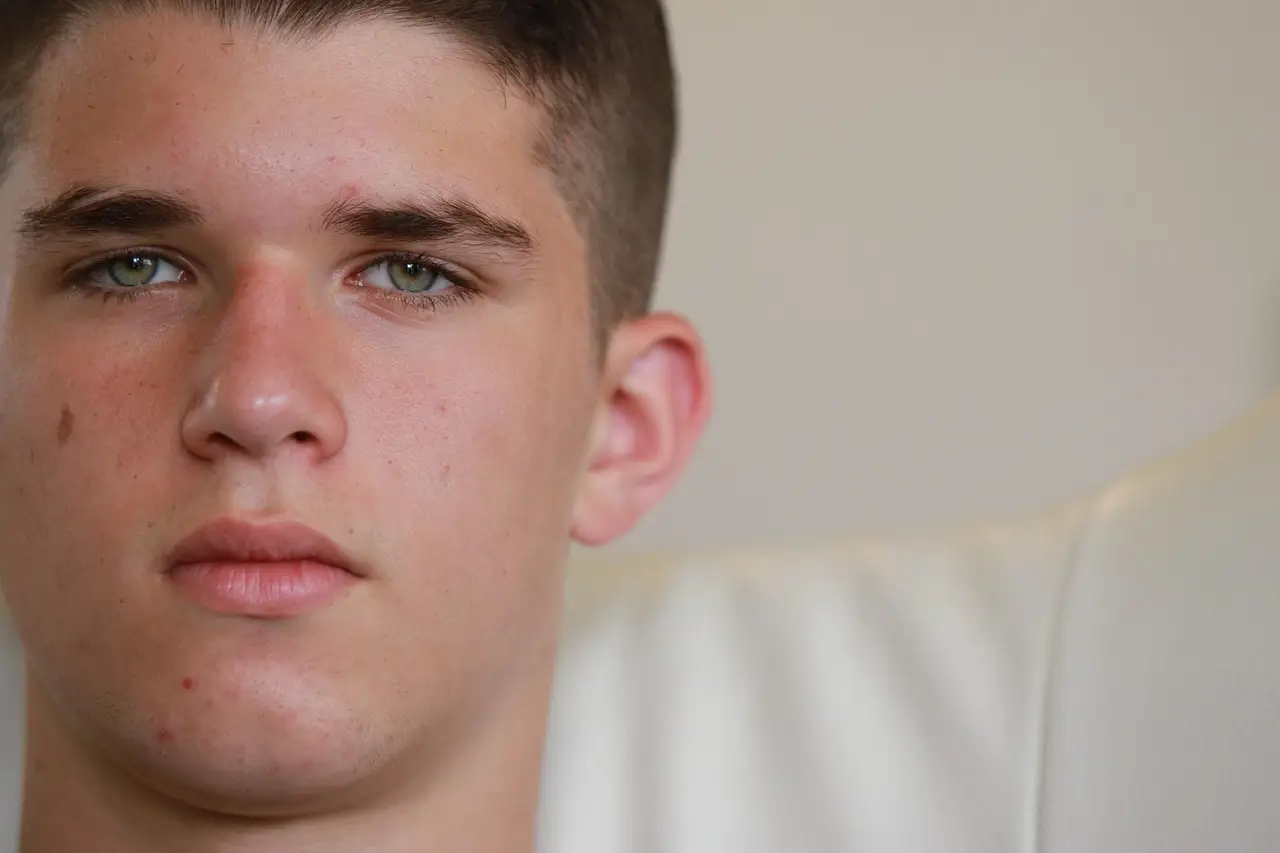
Non-adherence is the single largest modifiable cause of apparent acne treatment failure, and simplifying the regimen can lift median adherence from 61% to 88%, according to Dr Bilal Khan, a GPwER in Dermatology speaking at a Pulse Live highlights session.
Khan framed acne as a chronic inflammatory disease of the pilosebaceous unit — hair follicle, sebaceous gland and arrector pili muscle — with a relapsing, remitting course shaped by hormones, genetics and individual skin responses. He cautioned that clinical severity doesn't reliably predict psychological impact: even mild acne can hit confidence, relationships and mental health, and patients can feel dismissed when their clinician grades the acne as milder than they perceive it.
The pathophysiology, he said, rests on four features: androgen-induced seborrhoea and hyperkeratinisation, comedogenesis, Cutibacterium acnes dysbiosis, and the resulting inflammatory response.
Why do acne treatments fail?
Khan walked through the main adherence barriers with specific fixes:
- Adverse effects. Topical retinoids cause dryness, irritation, redness and burning; benzoyl peroxide irritates and bleaches clothes. Patients should expect initial irritation, start retinoids gradually and apply moisturiser afterwards.
- Incorrect application. Patients treat only visible spots or wash products off too soon. The rule: apply a thin layer to the whole affected field, after cleansing and before moisturiser or SPF. Clascoterone goes on before any other topical.
- Regimen complexity. In a small RCT, median adherence was 88% with a once-daily combination product versus 61% with two components applied separately. Khan recommended once-daily fixed combinations such as Epiduo, reserving multi-product regimens for motivated patients.
- Unrealistic expectations. PCDS guidelines state treatments typically take up to eight weeks to work and recommend review at 12 weeks.
- No follow-up. Patients often stop at 12 weeks once skin clears and rebound. A 3-month review allows assessment of efficacy and tolerance, and a switch to maintenance therapy.
What about hormonal acne and triggers?
"Hormonal acne" describes persistent or recurrent female acne on the jawline, chin or perioral areas, with or without pre-menstrual flares. Most affected women have normal serum androgens but genetically determined increased androgen sensitivity, and it can associate with PMOS. Rapid onset, pre-pubertal acne, virilisation, menstrual irregularity or severe hirsutism should prompt consideration of hyperandrogenism states — congenital adrenal hyperplasia, Cushing's syndrome and androgen-secreting tumours.
Hormone-based treatments — clascoterone 1%, the combined oral contraceptive pill or spironolactone — often work better in this pattern and should be prioritised early.
On diet, Khan noted NICE and the British Association of Dermatologists say evidence is insufficient to recommend any specific diet. Some individuals report flares with high-glycaemic foods, dairy or whey supplements; the advice remains a balanced, high-fibre diet, though a motivated patient reporting a credible trigger could try a single food exclusion-reintroduction after 12 weeks.
He also flagged oil-based cosmetics — pomade acne affects the forehead or nape where comedogenic styling products contact skin — and drug-induced acne from systemic corticosteroids, anabolic steroids, androgenic progestogens such as levonorgestrel and DMPA, lithium, phenytoin and B12 supplementation.
Without open and closed comedones, clinicians should consider alternative diagnoses: rosacea, perioral dermatitis, folliculitis, or acné excoriée where traumatised lesions outnumber undisturbed ones.
How should antibiotics be prescribed?
Clindamycin resistance reaches 90% in some regions, Khan warned. His stewardship rules: avoid monotherapy and use fixed combinations such as Duac or Treclin; review at 12 weeks and continue non-antibiotic topicals once cleared; don't cycle antibiotic classes without reassessing adherence, tolerability, diagnosis and triggers; never combine oral with topical antibiotics, as there's no synergistic benefit; always set a stop date; use one class, then switch on failure.
Which newer agents matter?
Clascoterone 1% (Winlevi), the first topical androgen receptor inhibitor, is UK-licensed from age 12 and appears in the latest PCDS guidelines. In two 12-week phase 3 trials, roughly 1 in 5 patients applying it twice daily achieved clear or almost-clear skin — at least a two-category improvement — versus about 1 in 13 on vehicle cream. Local irritation was the main adverse effect, and safety data extend to 12 months.
Spironolactone, for females only and prescribed off-licence, starts at 50mg daily, titrating to 100mg after 2 weeks if tolerated. Improvement takes around 3 months and becomes clearer at 6 months. Baseline U&E and blood pressure are advisable; follow-up bloods are needed only in women over 45 or those with renal, cardiac or liver disease, electrolyte abnormalities, or potassium-raising medicines. It's contraindicated in pregnancy.
Trifarotene 0.005% (Akleif), a fourth-generation retinoid, is licensed for facial and truncal acne in patients aged 12 and over, applied once daily with a roll-on applicator, with some data supporting benefit in atrophic scarring.
All three agents can be initiated in primary care, subject to local prescribing restrictions.
Khan closed with a 10-minute consultation template: minutes 0–4 for history including mood impact, past treatments, skincare, triggers and menstrual history; minutes 4–5 to examine face, chest and back, recording lesion type, scarring and androgen-excess signs; minutes 6–10 for shared decision-making, counselling on adverse effects and time to benefit, with review at 12 weeks and referral for severe distress, scarring or inadequate response. Framing acne as a chronic disease needing maintenance therapy — akin to eczema and psoriasis — may be the shift that turns "treatment failure" into long-term control.
Source: Google News: Dermatology
Tom Whitfield
Show full bio
Senior reporter covering companies, deals and strategy in Clinical dermatology, inflammatory skin disease and biologics at Derm Field.