JAAD commentary frames acupuncture in urticaria as an ethics question
Updated
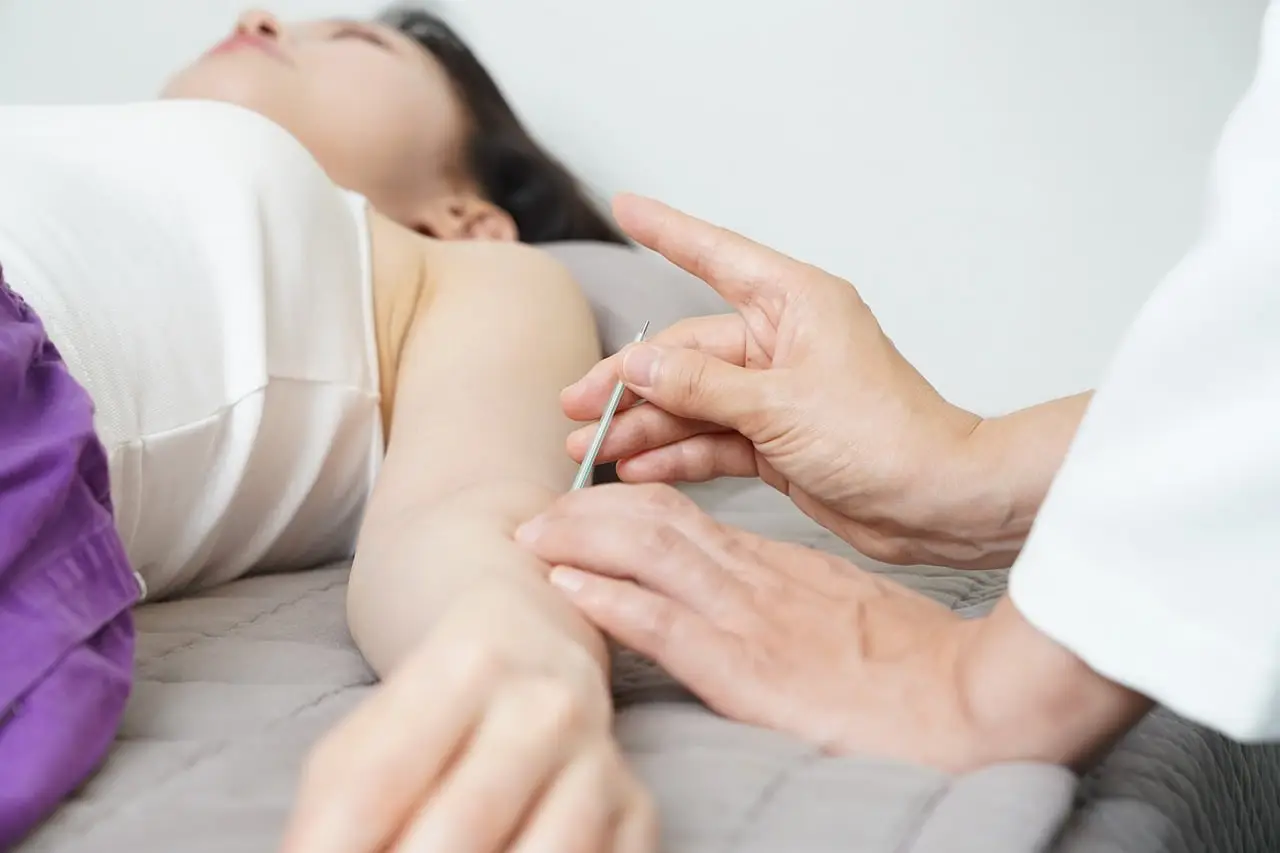
The November 2026 issue of the Journal of the American Academy of Dermatology, Volume 95, Issue 5, will publish a commentary titled "Integrating complementary therapies: Ethically navigating acupuncture in urticaria management." Sophia Ma, Tarek Zieneldien and Jane M. Grant-Kels are listed as authors.
What does the title tell readers about the piece?
The verb construction "ethically navigating" signals a normative argument, one that asks how dermatologists should discuss acupuncture with urticaria patients rather than whether the intervention works. Urticaria, commonly called hives, features transient wheals — raised, pale or erythematous swellings — and, in chronic spontaneous urticaria, daily or near-daily episodes persisting more than six weeks without an external trigger.
Acupuncture, the insertion of fine needles at defined body points, falls within complementary and alternative medicine. Dermatology has fielded repeated calls to engage with such practices rather than dismiss them outright, partly because patients frequently pursue these therapies alongside prescribed treatment.
What is missing from the available record?
The bibliographic data provided contains no abstract, no effect sizes, no trial citations and no structured summary of clinical evidence. Readers cannot determine from the available metadata whether the commentary cites randomized trials, observational data or case reports on acupuncture for urticaria, nor whether it endorses, cautions against or remains neutral on the practice.
That gap matters. Commentaries on complementary therapies in dermatology have historically varied widely in evidentiary rigor, and a JAAD placement alone does not guarantee a systematic review of the underlying literature. The skeptic's first question is what evidence base the authors assembled before drafting their ethical recommendations.
Why does the ethics framing matter?
A JAAD placement indicates the editorial board considers the topic worthy of formal ethical discussion rather than a brief clinical note. Commentaries in this venue typically address physician communication, disclosure standards and the boundary between patient requests for complementary approaches and evidence-based care.
The title's emphasis on "integrating" implies coexistence between conventional urticaria management and patient interest in acupuncture, rather than a rejection of either. In operational terms, the integration question turns on disclosure: whether the dermatologist documents the patient's acupuncture use, whether the acupuncturist's credentials are verified, and whether the two treatment plans reconcile to avoid interaction or duplication.
What should practitioners watch for?
Dermatologists managing chronic urticaria will want to know whether the full text offers a decision framework, a referral checklist or simply a principle statement. Without the abstract or body text, no clinical recommendation can be verified. The piece's value, when the full content becomes available, will rest on what the authors cite as evidence and what they identify as the limits of that evidence.
Practitioners should also note what the commentary does not address. No published title in this metadata set signals discussion of billing codes, reimbursement pathways or scope-of-practice questions that often arise when complementary providers enter a treatment plan. Those omissions, if confirmed in the full text, will leave operational questions unanswered.
The forthcoming commentary enters a dermatology conversation in which complementary therapies generate strong patient interest and uneven trial support. Whether the authors move that conversation toward concrete practice guidance or leave it at the level of ethical reflection is the question the full text will need to answer.
Source: Journal of the American Academy of Dermatology (Elsevier)
Amara Osei
Show full bio
Correspondent covering technology and product news in Clinical dermatology, inflammatory skin disease and biologics at Derm Field.