FDA's Updated iPLEDGE REMS Allows At-Home Pregnancy Testing for Isotretinoin
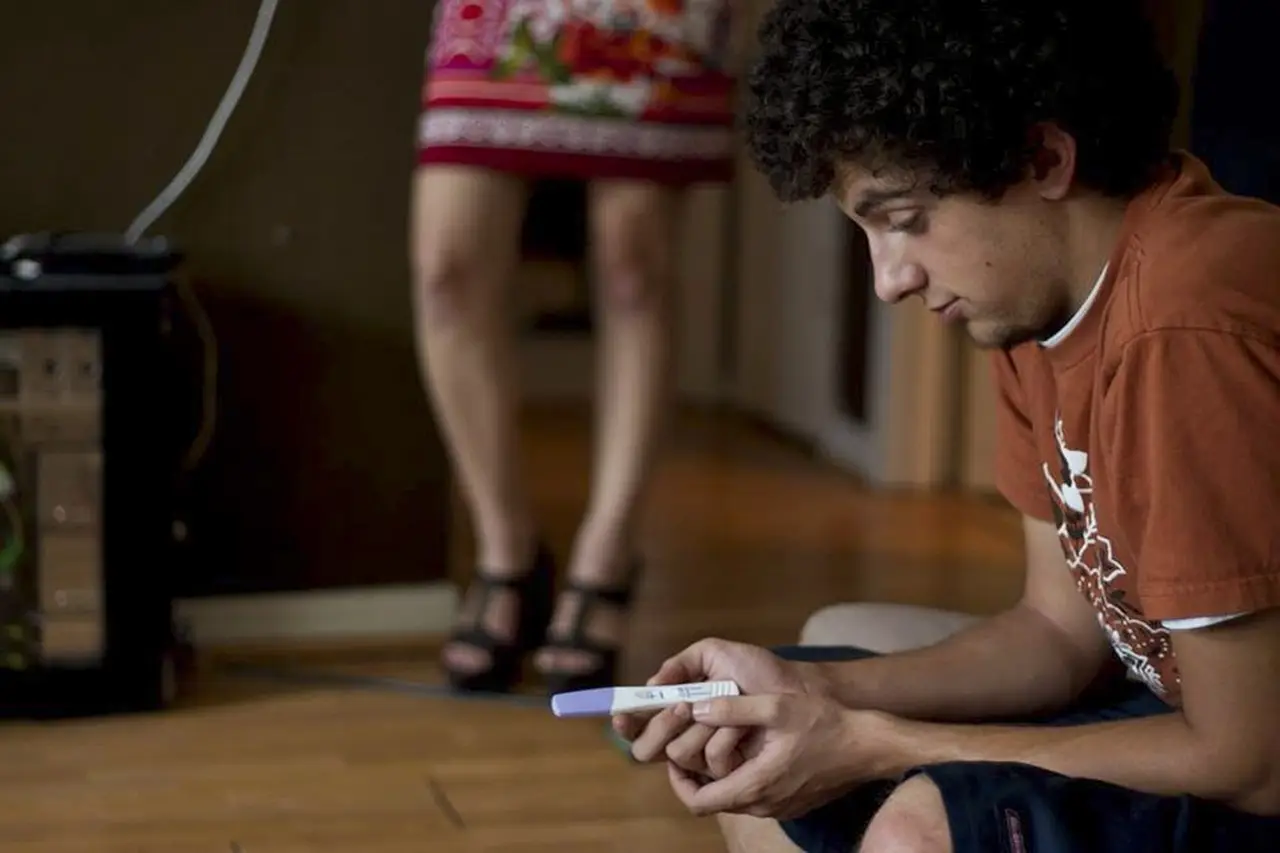
At-home pregnancy testing is now allowed under iPLEDGE. On November 15, 2026, the FDA's updated Risk Evaluation and Mitigation Strategy for isotretinoin took effect, and the change reaches straight into exam rooms and pharmacies across the country.
Isotretinoin treats severe nodular acne in patients aged 12 and older who are not pregnant and have not responded to other therapies. The drug can cause severe birth defects, so iPLEDGE participation remains mandatory for everyone in the pipeline: patients, prescribers, and pharmacies. The takeaway: the program's core pregnancy-prevention architecture stays, but the administrative scaffolding around it just got lighter.
What changed for pregnancy testing?
The initial test still happens where it always did. Patients who can become pregnant must complete their required pregnancy tests in a medical setting before starting treatment. After that, the rules loosen. Prescribers may now permit subsequent monthly tests to be conducted outside a medical setting — including at-home testing — during treatment and after it ends.
There's a condition, and it lands on the prescriber. Any clinician who allows at-home testing must establish procedures to minimize the risk of test misinterpretation or falsification. In plain words: the convenience is real, but so is the accountability for making sure results are read honestly.
One waiting period disappeared entirely. Previously, patients who missed the 7-day post-test window to pick up their prescription faced an additional waiting period before they could proceed. Now they may repeat pregnancy testing immediately. For patients who haven't yet started treatment, that repeat test must still happen in a medical setting.
What changed for counseling and prescriptions?
Patients who cannot become pregnant still receive counseling at enrollment. What's gone is the monthly documentation requirement — prescribers no longer need to log counseling sessions in the iPLEDGE system every month. The FDA notes counseling should continue to be reinforced throughout treatment, so the substance stays even as the paperwork shrinks.
The 30-day prescription window for patients who cannot become pregnant is also eliminated. Pharmacies now carry a specific new duty: when a prescription isn't picked up, staff must reverse the unused prescription authorization in the REMS system and return the medication to stock.
Who needs to re-enroll?
Nobody. Existing patients, prescribers, and pharmacy representatives do not need to re-enroll or complete additional certification because of these modifications. Annual recertification for prescribers and pharmacy representatives remains in place, and pharmacy staff must still complete annual training. The practical read: practices wake up to a lighter load, not a new onboarding project.
Why the FDA made the move
The agency framed the changes as a way to improve access to isotretinoin and reduce administrative obstacles without compromising the pregnancy prevention measures central to iPLEDGE. For dermatology practices, the shift trades some rigid checkpoints for prescriber judgment, particularly on how at-home testing is verified.
Clinicians and pharmacies looking for operational details can consult the FDA's iPLEDGE REMS information page, the agency's Questions and Answers document, and the iPLEDGE REMS website — the FDA updated its REMS reference material on June 16, 2026, ahead of implementation.
How practices build their verification procedures for at-home tests, and whether the loosened rules translate into measurably fewer treatment interruptions for acne patients, will be the questions to watch in the first year under the new requirements.
Source: dermatologytimes.com
Daniel Okafor
Show full bio
Staff writer covering people, launches and day-to-day practice in Clinical dermatology, inflammatory skin disease and biologics at Derm Field.