Eight Eastman PET resins receive RecyClass approval
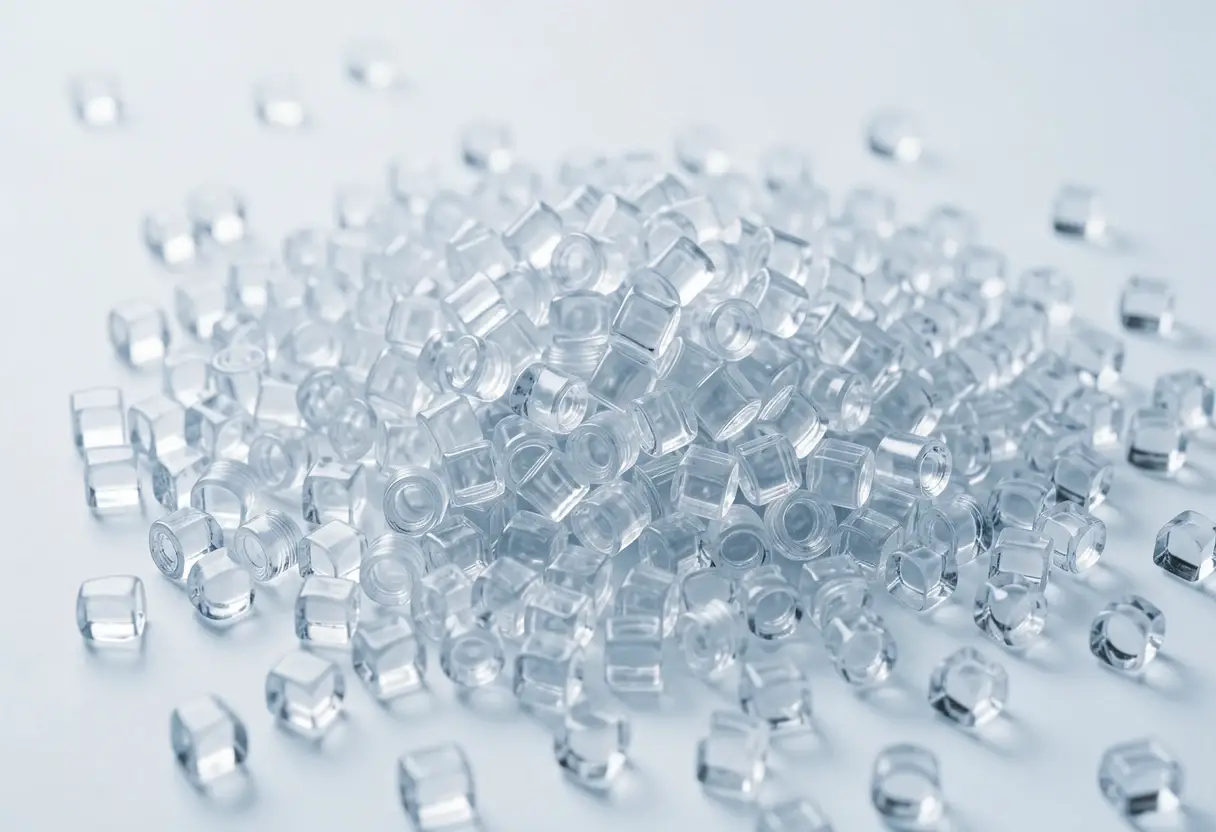
Eight Eastman specialty PET resins received RecyClass Recyclability Approvals: RecyClass classified six as fully compatible with state-of-the-art PET-bottle recycling processes in Europe and two as limited-compatible.
PTI-Europe and Plastics Forming Enterprises (PFE) independently tested the resins under an adapted version of the Recyclability Evaluation Protocol for PET bottles. Eastman said the approval covers its specialty PET resins and equivalent Renew grades containing recycled content.
What does the approval cover?
RecyClass assigned full compatibility to six named resins:
- Cristal™ EN076
- Cristal™ One
- Cristal™ One Pro
- Cristal™ One IM812
- Cristal™ One E
- Cristal™ One E Lux
Two other Eastman resins received the less encompassing limited-compatible designation:
- Cristal™ EN067
- Cristal™ EN059
The announcement did not report a recycled-content percentage, a testing date or the technical thresholds separating the two categories. It also did not list the corresponding Renew grade names separately, beyond stating that equivalents were included.
For packaging buyers, the distinction is explicit: six products entered the full-compatibility category, while two stopped at limited compatibility. Neither label describes skin-care efficacy or a finished package’s clinical performance.
What does this mean for cosmetic packaging?
Eastman said the specialty PET resins do not interfere with established recycling processes, making them “an ideal solution for nonbeverage packaging applications such as skin care jars, bottles, caps and colour cosmetics.”
For dermatology and skin-care brands, this is a container decision rather than a formulation or treatment decision. The announcement contains no ingredient, stability, skin-contact or patient-response data, and the approval establishes no dermatologic benefit from the packaging change.
The classifications concern compatibility with European PET-bottle recycling infrastructure, which Eastman said supports alignment with state-of-the-art systems. The company did not report adoption, package volumes or recycling rates, so the scale of any practical effect remains unquantified.
Which performance claims remain manufacturer claims?
Eastman attributes the resins’ performance to lower crystallisation rates than standard PET. The company says that profile delivers durability, high transparency and luster in finished products, including thick-walled jars and bottles.
Independent testing supports the recyclability classifications under the adapted protocol. The announcement provides no independent comparative figures for crystallisation rate, transparency, luster or durability, so those product-performance claims remain Eastman assertions.
For cosmetic packaging, the two evidence streams should not be merged. Process compatibility addresses recycling; crystallisation and the stated optical and mechanical properties concern the resin and finished pack. Eastman’s package therefore combines an independently tested recyclability result with manufacturer claims about processing and appearance.
What does this mean for plastics circularity?
Eastman framed the approvals as part of the plastics industry’s effort to develop high-performance packaging that aligns with state-of-the-art recycling infrastructure. The company said those efforts can contribute to increasing plastics circularity.
Skin-care and color-cosmetics buyers now have eight named specialty grades with documented recycling classifications, plus corresponding Renew grades containing recycled content. The announcement did not quantify how much material the approvals might divert from disposal or how much collection and recycling would follow.
If adoption broadens, the forward-looking test is whether compatibility with Europe’s PET-bottle infrastructure translates into higher recovery of jars, bottles and caps. Until such data emerge, the concrete result remains six full classifications, two limited classifications and a manufacturer-backed case for more circular nonbeverage packaging.
Source: Cosmetics Business
Tom Whitfield
Show full bio
Senior reporter covering companies, deals and strategy in Clinical dermatology, inflammatory skin disease and biologics at Derm Field.