Dermatology Ranks Least Exposed to AI Substitution in NEJM AI Medicare Study
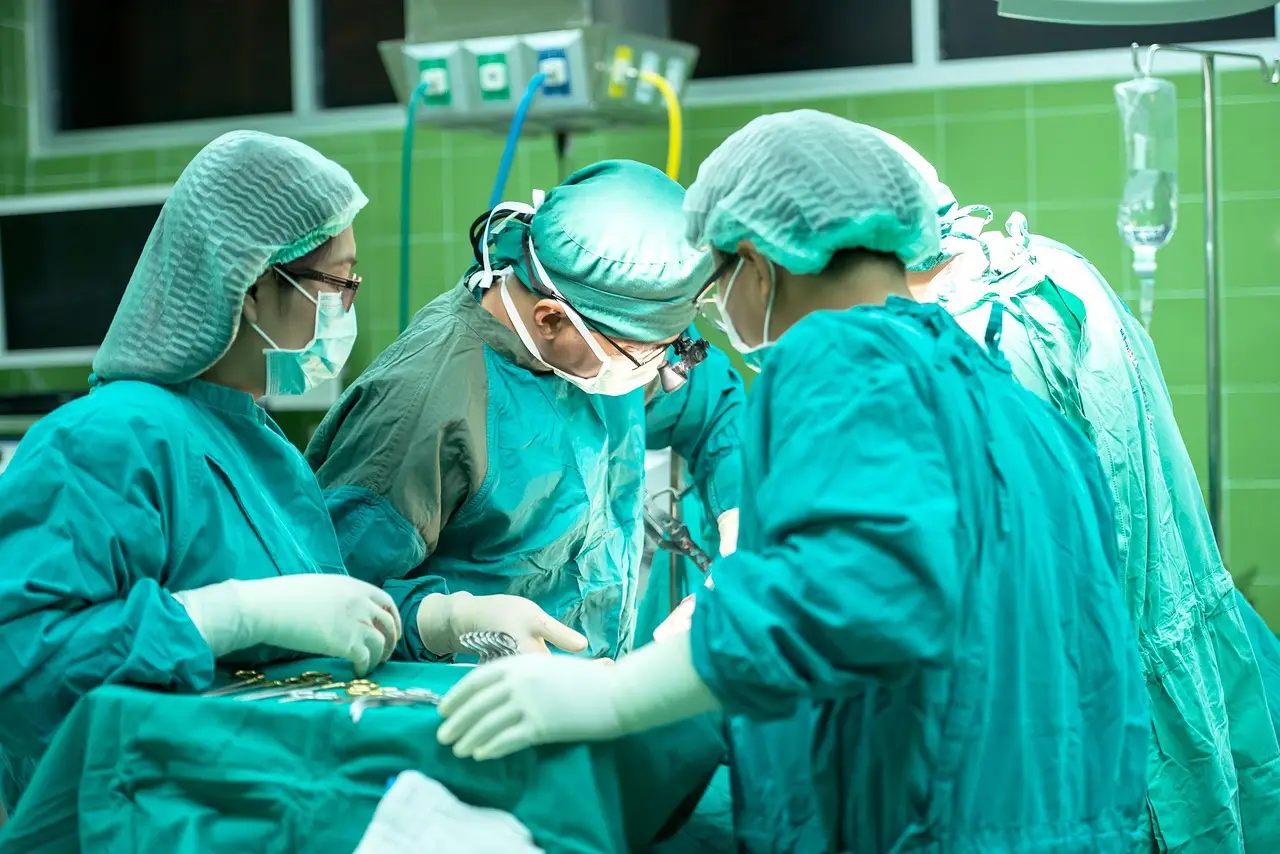
Only 7 percent of dermatology services could potentially be substituted by software-based artificial intelligence, the lowest exposure figure among 56 medical specialities analysed in a study published in NEJM AI. Pathology sits at the opposite pole, with 99 percent of its services classified as potentially substitutable, and diagnostic radiology follows at 96 percent.
The researchers analysed nearly US$45 billion in Medicare Part B payments made in 2023 to 589,648 physicians across the United States. They classified each speciality's services by whether they required physical interaction between doctor and patient, then estimated how much of that work software-based AI could in principle perform. The paper appears as an NEJM AI Perspective.
"AI can already interpret medical images, draft diagnostic assessments, and converse with patients fluently — feats that have fuelled predictions that AI will replace physicians. But so far AI cannot lay hands on a patient: It cannot examine, biopsy, or operate," the researchers wrote.
Why does dermatology rank lowest?
Among the 15 highest-volume specialities analysed, dermatology had the largest share of payments associated with physical services, at 68 percent. Orthopaedic surgery followed at 53 percent, and ophthalmology recorded 45 percent. Only 7 percent of dermatology services and 10 percent of orthopaedic surgery services fell into the category of non-physical work potentially substitutable by AI.
Dermatology's insulation rests on its procedure mix. Biopsies, excisions and cryotherapy (targeted freezing of lesions) require direct physical intervention, even though AI systems increasingly assist with identifying skin conditions and analysing images. The researchers acknowledged that image classifiers already recognise skin cancer at specialist level. Yet diagnosis accounts for only a small proportion of the speciality's revenue, while hands-on procedures make up a much larger share.
The contrast with pathology is stark. Pathologists examine tissue samples and slides to identify disease; radiologists interpret X-rays, CT and MRI scans. Both specialities rely almost entirely on interpreting medical information rather than performing physical procedures. "Outright replacement of physicians by AI is plausible mainly in radiology and pathology because almost all of their work is done by interpretation and not by touch," the researchers said.
Radiation oncology also carried a relatively high share of potentially substitutable services, at 62 percent. Cardiology stood at 39 percent and interventional cardiology at 32 percent.
What does the study actually measure?
The researchers themselves flagged the central caveat. The figures describe potential exposure to software substitution, not evidence that existing AI systems can independently perform those tasks, nor that physicians will lose their jobs. Exposure is not displacement.
The study also examined evaluation and management (E&M) services separately, because these consultations, clinical assessments, history-taking and treatment management combine physical and cognitive work. E&M services accounted for 55 percent of all Medicare Part B payments in the analysis. Among family physicians, they represented 87 percent of payments; among internal medicine specialists, 90 percent.
"The fields most accessible as career paths and most needed to relieve primary care shortages thus face the greatest uncertainty, because AI could impact their work as either a substitute or a complement — an outcome shaped as much by how AI is designed, deployed, and reimbursed as by the technology itself," said Maria Polyakova, an associate professor of health policy at Stanford University and the study's senior author.
How durable is the procedural barrier?
The study found that specialities with a greater proportion of hands-on procedures generally required longer postgraduate clinical training. Physical work and longer training, in other words, travel together, and both appear protective against software substitution — for now.
The researchers warned against treating that barrier as permanent. "Physical limits to AI implementation are not permanent: Robotic and hardware-integrated systems may, over time, weaken the barrier in procedural fields, and AI may end up augmenting rather than replacing physicians in every speciality," they wrote. Hardware, however, advances more slowly than software, so differences in AI exposure across specialities are likely to persist for at least several years.
The analysis carries limitations the authors state plainly. It relies on US Medicare billing data, and physical examinations bundled into E&M payments may obscure the physical components of office-based consultations. It also reflects existing practice patterns and cannot predict how healthcare delivery will change.
For primary care, the researchers see both directions. AI could reduce administrative workload, improve productivity and help physicians manage larger patient populations. Conversely, if AI replaces physician-performed tasks and reimbursement no longer flows to individual providers, physician incomes and the speciality choices of medical graduates could shift.
The authors call on policymakers, medical educators and institutions to weigh these differences in AI exposure when planning training pipelines, workforce requirements and residency positions, particularly in primary care specialities already facing shortages.
Source: thesouthfirst.com
Amara Osei
Show full bio
Correspondent covering technology and product news in Clinical dermatology, inflammatory skin disease and biologics at Derm Field.