ctDNA Rises Before Imaging in Melanoma: Dr. Gaurav Singh Pairs Serial Blood Draws With GEP
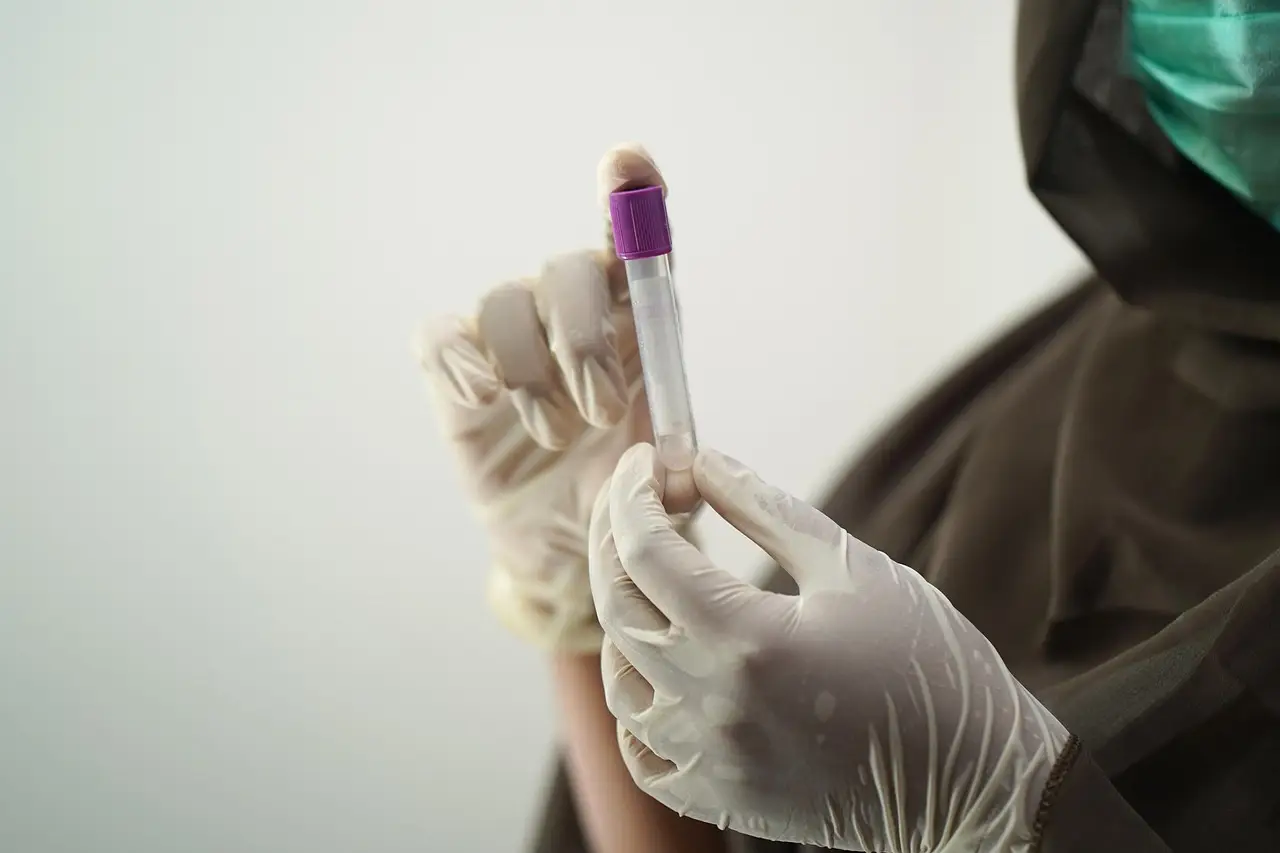
A tumor-DNA fingerprint detected in the bloodstream precedes positive imaging findings by months in nearly all cases, and Dr. Gaurav Singh has built his high-risk melanoma surveillance protocol around that fact. The dermatologist, speaking in the Expert Perspectives episode "Combining GEP Testing and ctDNA for High-Risk Melanoma Surveillance," pairs serial circulating tumor DNA (ctDNA — tumor-derived DNA detectable in blood) testing with gene expression profiling (GEP — a test that classifies melanoma recurrence risk by gene activity) to catch recurrence earlier than imaging alone can.
Dr. Singh says he finds ctDNA "extremely beneficial" in managing patients with high-risk skin cancer. He describes the relationship between the two tools as a natural partnership, because each answers a different clinical question.
How the ctDNA fingerprint works
The assay depends on a unique molecular signature built from the original biopsy, or, alternatively, from the excision specimen. Once that fingerprint exists, patients undergo serial blood draws. Dr. Singh typically orders them every 3 months for 2 to 5 years, with the duration depending on the patient and the characteristics of the melanoma.
Detection of the fingerprint circulating in the bloodstream is often an early sign that the cancer is returning. Dr. Singh describes the test as very sensitive. The pattern matters as much as the single result: when ctDNA levels rise and remain elevated, recurrence is established.
The follow-on evidence, he says, is consistent. Positive imaging findings typically appear within a few months in almost all of these patients. The false-positive risk is almost zero — a claim worth noting, since near-perfect specificity is rare in cancer surveillance, and clinicians will want to see the underlying performance data published rather than taken on interview alone.
What does the two-test sequence change?
Dr. Singh's workflow is explicit. When a patient returns a high-risk Class 2A or Class 2B GEP result, he then obtains ctDNA. He frames the division of labor precisely: GEP testing is prognostic, while ctDNA is a snapshot in time.
The logic runs as follows. A prognostic test indicating a likely poor outcome tells the clinician whom to watch. Serial ctDNA snapshots then show whether cancer is actually present in the bloodstream at a given moment. When ctDNA levels begin to rise, Dr. Singh orders imaging to look for tumor.
This sequence, he suggests, allows earlier detection in exactly the patients most likely to need it. That framing is the practical core of the approach: risk stratification first, molecular surveillance second, imaging only when the blood test escalates.
A caveat follows every promise, and this one is no exception. GEP risk classes are prognostic, not diagnostic, and a Class 2A or 2B result does not itself establish active disease. What the source does not say is equally relevant: no prospective trial data, sensitivity figures, or survival endpoints appear in the interview, and the claims rest on Dr. Singh's clinical experience rather than published outcomes.
Where guidelines already stand
Dr. Singh points to one concrete precedent. ctDNA is already included in guidelines for Merkel cell carcinoma (a rare, aggressive skin cancer of neuroendocrine origin). Its formal acceptance in melanoma surveillance, by contrast, remains a matter of practice pattern rather than guideline mandate.
He notes that the field continues to evolve, and he expects further advances and more precise uses for both tools. He says he looks forward to seeing how ctDNA is applied in melanoma and other cancers in the future.
For now, the operating question for clinicians is whether a 3-month blood draw can reliably stand between a GEP risk score and a CT scan. On Dr. Singh's account it can, with recurrence detected months before imaging confirms it. Whether multicenter data bear that out will determine whether the protocol becomes standard of care.
Source: dermatologytimes.com
Amara Osei
Show full bio
Correspondent covering technology and product news in Clinical dermatology, inflammatory skin disease and biologics at Derm Field.