Cosmeceuticals & Skincare Science
Body milks reshape body care as texture becomes the selling point
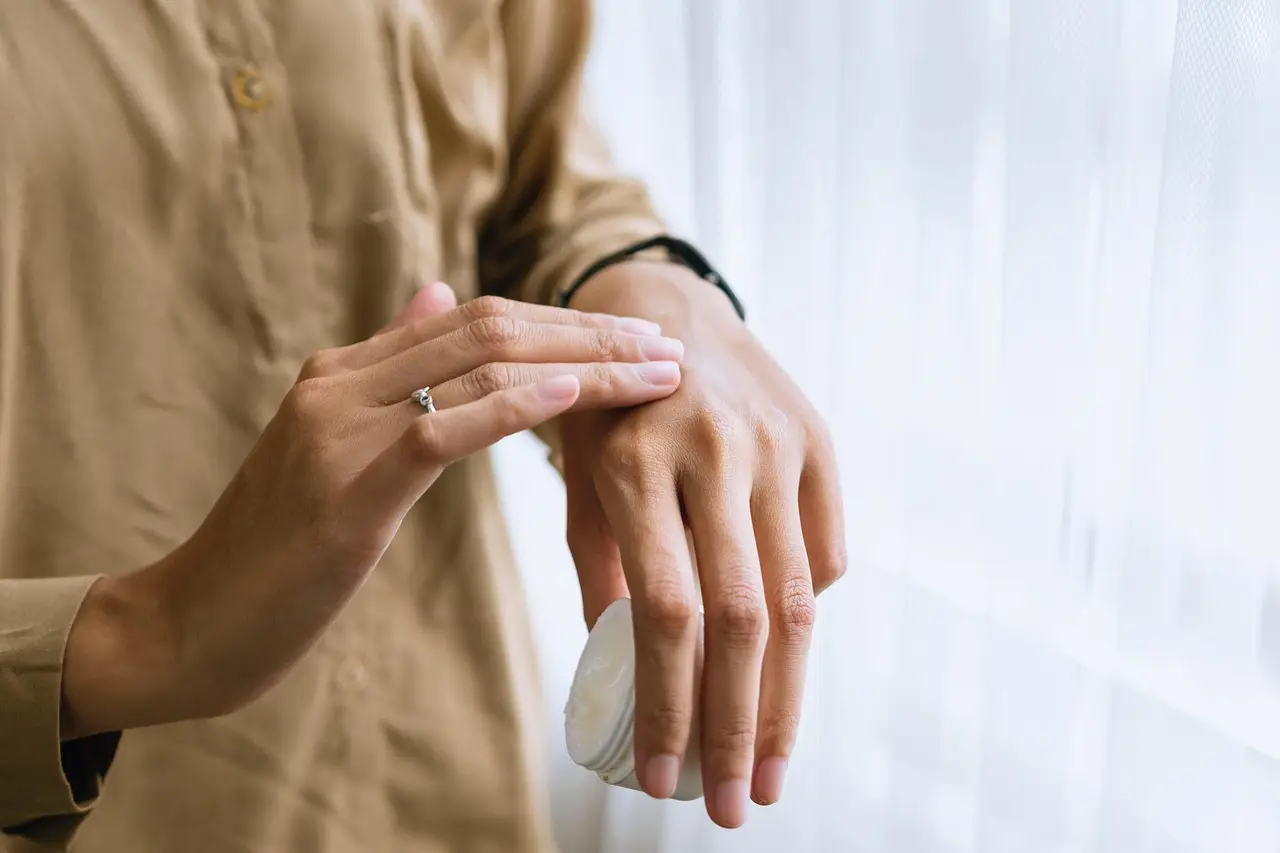
Body milks — lightweight, fluid emulsions built for fast spreading — are the format to watch in body care in 2026, as brands chase the intersection of skin care-level efficacy and sensorial pleasure.
The trend, tracked in the Body Care Trend Report, sits inside a broader shift. Beauty shoppers, increasingly influenced by looksmaxxing culture, now scrutinize the textures, finishes and fragrances of daily routines as closely as the ingredient list. The result: a format migration. Milky toners and hair milks have already gained traction across the beauty industry, and body care is the latest category to adopt the milky template.
So what separates a body milk from the lotion or cream already on the shelf? At a formulation level, the answer is viscosity and behavior on skin, not a different chemistry of hydration.
Kristal Goodman, Head of Product Innovation at THG Labs, breaks it down: "They are all emulsions; the main difference is their viscosity and how they are designed to move across the skin. A body milk is typically more fluid and lightweight than a lotion or cream, with an emphasis on easy spreading and fast absorption."
That distinction matters for the claim brands can't afford to fumble. Goodman is explicit that fluidity does not necessarily mean a lighter or less hydrating experience. "The right balance of actives, emollients and rheology can give a milk a nourishing feel and a soft, lasting finish," she said.
What does this change for formulators and brands?
The practical question for anyone building in the category is what the milk format demands that lotions and creams don't. The answer, on Goodman's framing, is rheology discipline: a body milk has to deliver emollient-driven nourishment and a lasting finish while staying fluid enough to spread easily and absorb quickly. That's a formulation tightrope between water-like movement and cream-level performance.
For brands, the opportunity is positioning. Body milks are designed, per the report, to make moisturizing feel less like a functional step and more like a daily indulgence. In a market where consumers want skin care-level benefits paired with sensorial pleasure, the texture itself becomes the differentiator — the format does the marketing.
The timing is also category-specific. Body care has been opening up new opportunities for brands to meet evolving consumer needs, and the report pegs 2026 as the year the milk format attracts renewed attention. The milky movement is not confined to one shelf: it now spans toners, hair care, fragrance and body care.
Why texture is the new efficacy story
The consumer logic is straightforward. As daily routines come under greater scrutiny, shoppers read texture and finish as signals of quality — the same scrutiny once reserved for actives and percentages. A fluid milk that absorbs fast fits routines that don't budget time for a heavy cream to sink in, and the soft, lasting finish Goodman describes gives the format a retention argument, not just a first-impression one.
For dermatology-adjacent audiences, the takeaway is measured: body milks are an emulsion engineering story, not a new therapeutic class. The hydration claim depends, as Goodman notes, on the balance of actives, emollients and rheology — the format guarantees spreadability and speed, while nourishment still has to be formulated in.
With the format gaining ground across toners, hair milks, fragrance and body care, expect 2026 launches to compete less on ingredient decks and more on how the product moves — a race where viscosity and finish, per THG Labs, do the deciding.
Original: hpcimedia.com
Olivia Hart
Show full bio
News editor covering technology and product news in Clinical dermatology, inflammatory skin disease and biologics at Derm Field.